Malli Machine
Description
What Is a Malli Machine?
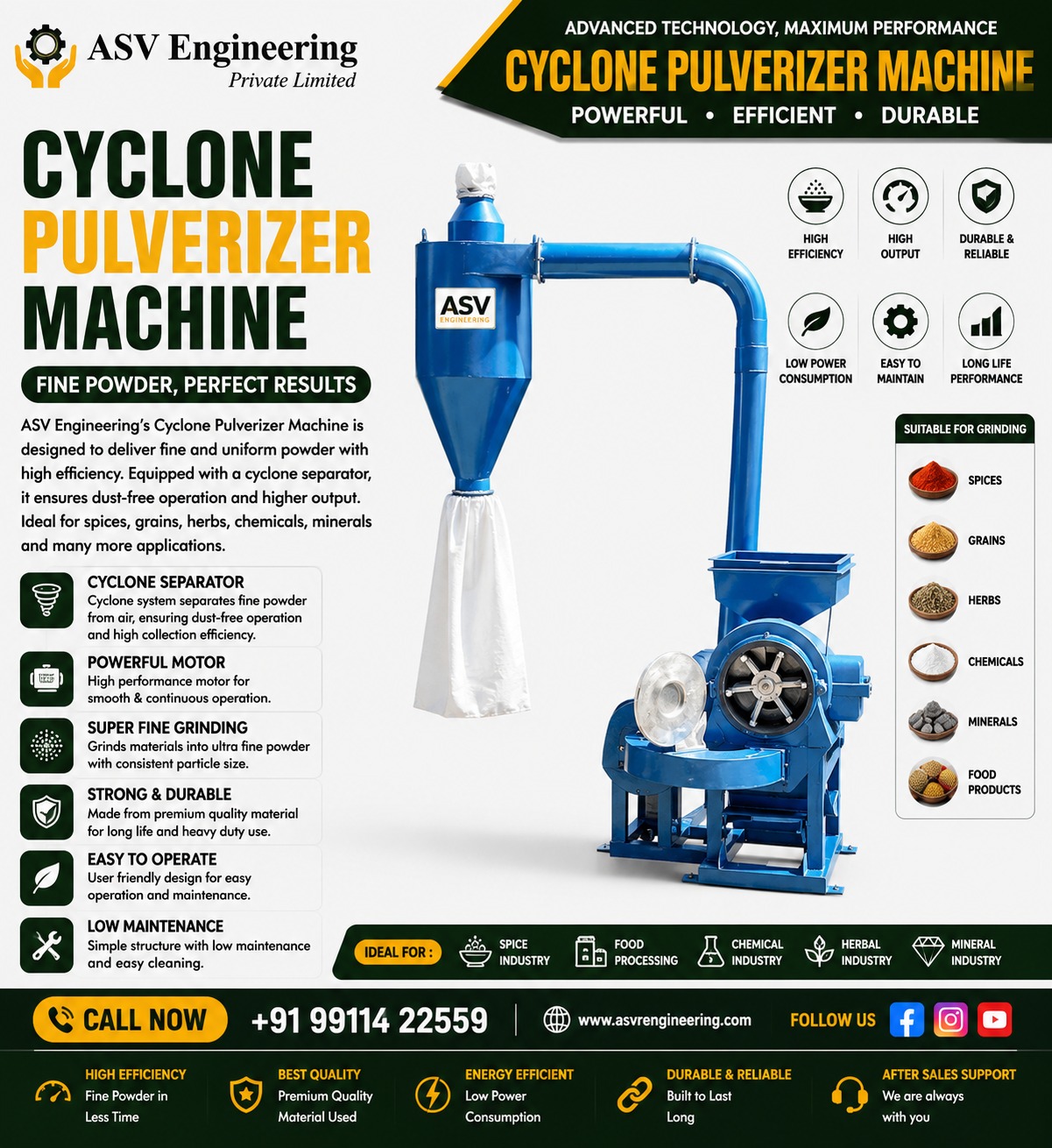
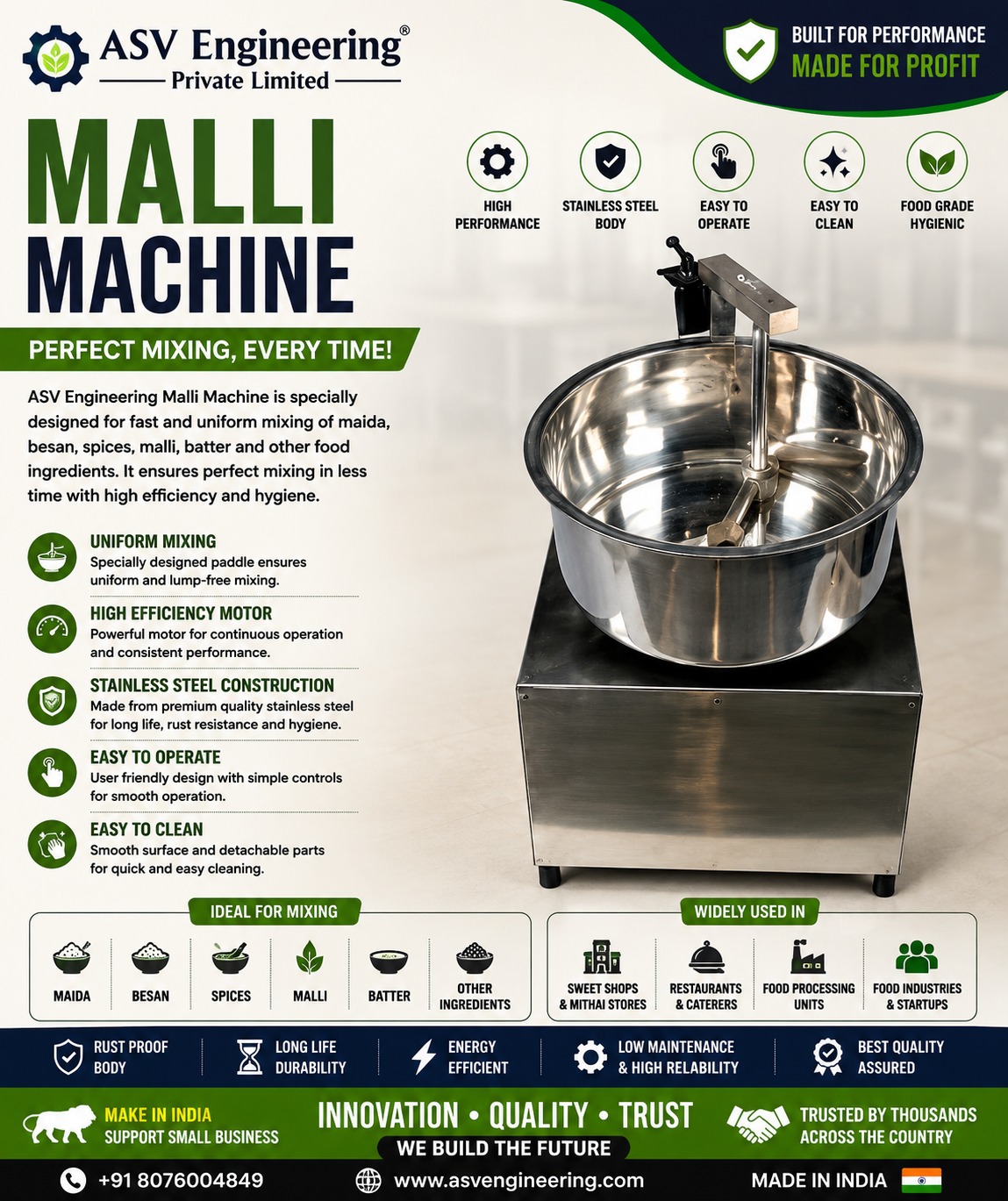
A malli machine is a grinding and pulverising equipment widely used in Indian spice processing, grain milling, and chemical powder production. As an experienced malli machine manufacturer and supplier in Delhi, India, we build these robust machines for spice traders, flour mill operators, Ayurvedic and herbal product manufacturers, and chemical powder producers who need a reliable and affordable grinding solution. The name malli is commonly associated with coriander grinding in many parts of India, but the machine is versatile enough to handle a wide variety of dry materials including turmeric, chilli, cumin, fenugreek, black pepper, rice, wheat, sugar, salt, and numerous herbs and botanicals.
How Does a Malli Machine Grind Materials?
The machine works on a rotor-stator principle where a high-speed rotating disc or hammer assembly strikes the material against a stationary liner or screen. Raw material is fed through a hopper at the top of the machine and enters the grinding chamber where the rotating assembly impacts it repeatedly. The material progressively reduces in size as it moves through the chamber, and once the particles are small enough to pass through the screen openings at the bottom, they exit as a fine powder into a collection bag or cyclone system. The screen mesh determines the final powder fineness, and swapping the screen is the primary method of changing output particle size. Some models use a pin disc configuration where rows of pins on the rotating disc intermesh with stationary pins on the liner, creating multiple impact points that accelerate the grinding process and improve fineness uniformity.
Key Features of Our Delhi-Manufactured Malli Grinder
Our malli machines use hardened tool steel or manganese steel wear components for long service life even when processing abrasive materials like turmeric root. The grinding chamber is designed for easy cleaning between different spice batches to prevent flavour cross-contamination. Adjustable feed rate controls allow the operator to regulate throughput based on material hardness and the desired fineness. Heavy-duty motor mountings with vibration isolation prevent floor-transmitted vibrations. Collection systems include cloth filter bags, cyclone separators, or direct container loading depending on the model. Safety interlocks prevent the machine from starting when the chamber access door is open. Food-grade finishes on all contact surfaces ensure compliance for edible product grinding.
Technical Specifications
Motor power ranges from 3 HP for small shop-scale models to 20 HP for continuous industrial operations. Grinding capacity varies from 20 kg per hour on the small unit to 250 kg per hour on the high-output model, depending on material type and target fineness. Screen mesh sizes are available from 12 mesh for coarse grinding up to 120 mesh for very fine powder. Operating speed ranges from 2800 to 4500 RPM depending on the rotor diameter and motor pairing. The machine accepts feed material in粒 form up to 25 mm maximum dimension. Weight ranges from 80 kg to 500 kg. Overall dimensions for the standard 7.5 HP model are approximately 900 mm long, 600 mm wide, and 1100 mm high including the hopper.
Applications and Industries Served
Spice grinding is the primary application. Coriander, turmeric, chilli, cumin, black pepper, garam masala, and proprietary spice blends are all commonly processed on malli machines in spice-producing regions of Gujarat, Rajasthan, Andhra Pradesh, Tamil Nadu, and Madhya Pradesh. Flour mills use malli machines for grinding wheat, rice, maize, millet, and bajra into fine flour. Ayurvedic and herbal product manufacturers grind dried herbs, roots, and botanical ingredients into powders for tablet and capsule production. Chemical manufacturers use these machines for grinding salts, pigments, minerals, and resin compounds. Sugar refineries and confectionery operations grind sugar to various fineness levels for different applications. The animal feed industry uses malli grinders for reducing grain and supplement particle sizes.
Benefits of Using a Malli Machine for Grinding
A malli machine provides an excellent balance of grinding speed, output fineness, and affordability compared to more specialised pulverisers or hammer mills. The simple mechanical design means fewer parts to wear out and lower maintenance costs over the machine's lifetime. Quick screen changes let operators switch between different product fineness requirements in minutes, making the machine suitable for facilities that grind multiple products on the same equipment. Power consumption is reasonable for the output delivered, keeping electricity costs manageable for small and medium-scale operators. The robust construction handles Indian operating conditions including voltage fluctuations, dusty environments, and extended summer grinding seasons without frequent breakdowns.
Maintenance and Care Recommendations
Inspect grinding discs, hammers, or pin assemblies every 100 operating hours and resharpen or replace when wear reduces grinding efficiency. Worn components increase power consumption and reduce output fineness. Check screen condition daily and replace any screens with torn or enlarged mesh openings that let oversized particles pass through. Grease motor bearings every 200 operating hours using the recommended lubricant. Clean the grinding chamber and feed hopper thoroughly when switching between different materials to prevent flavour contamination. Inspect drive belts weekly for proper tension and signs of wear. Tighten all fasteners monthly as vibration during grinding can gradually loosen them. Keep spare screens in the mesh sizes you use most frequently to avoid production delays.
Frequently Asked Questions
What is the price of a malli machine in India?
Prices depend on motor power, grinding capacity, construction material, and whether the machine includes accessories like cyclone separators or collection systems. Call our Delhi factory at +91 8588856870 for current pricing.
What is the finest powder this machine can produce?
With the appropriate screen mesh installed, our malli machines produce powder as fine as 120 mesh, which is approximately 125 microns. This fineness is suitable for most spice, flour, and herbal powder applications.
Can I grind turmeric root in a malli machine?
Yes. Turmeric is one of the most commonly ground materials on our malli machines. We recommend using hardened manganese steel wear parts for turmeric because of its abrasive nature. Pre-cutting large root pieces to under 25 mm improves efficiency.
How much power does the machine consume?
Consumption depends on the motor rating and load. A 7.5 HP model draws approximately 5.5 kW under full load. Actual consumption varies with material hardness and grinding fineness. Most operators find the electricity cost per kilogram of ground product very economical.
Why Choose Our Delhi Factory and How to Order
We manufacture malli machines at our Nangloi Delhi factory with components selected for long life in Indian spice grinding conditions. Our machines are used by spice processors in Rajkot, Unjha, Indore, and across the spice processing belt of India. We offer different wear material options based on your primary grinding material, whether that is coriander, turmeric, or chemical compounds. For pricing, technical advice, or to arrange a trial grinding session at our factory, call us at +91 8588856870. We deliver pan-India and provide installation and operator training at your facility.
| Specification | Details |
|---|---|
| Machine Type | Malli Machine |
| Body Material | SS304 / MS |
| Power Supply | 220V/440V Three Phase |
| Warranty | 1 Year |
Related Products
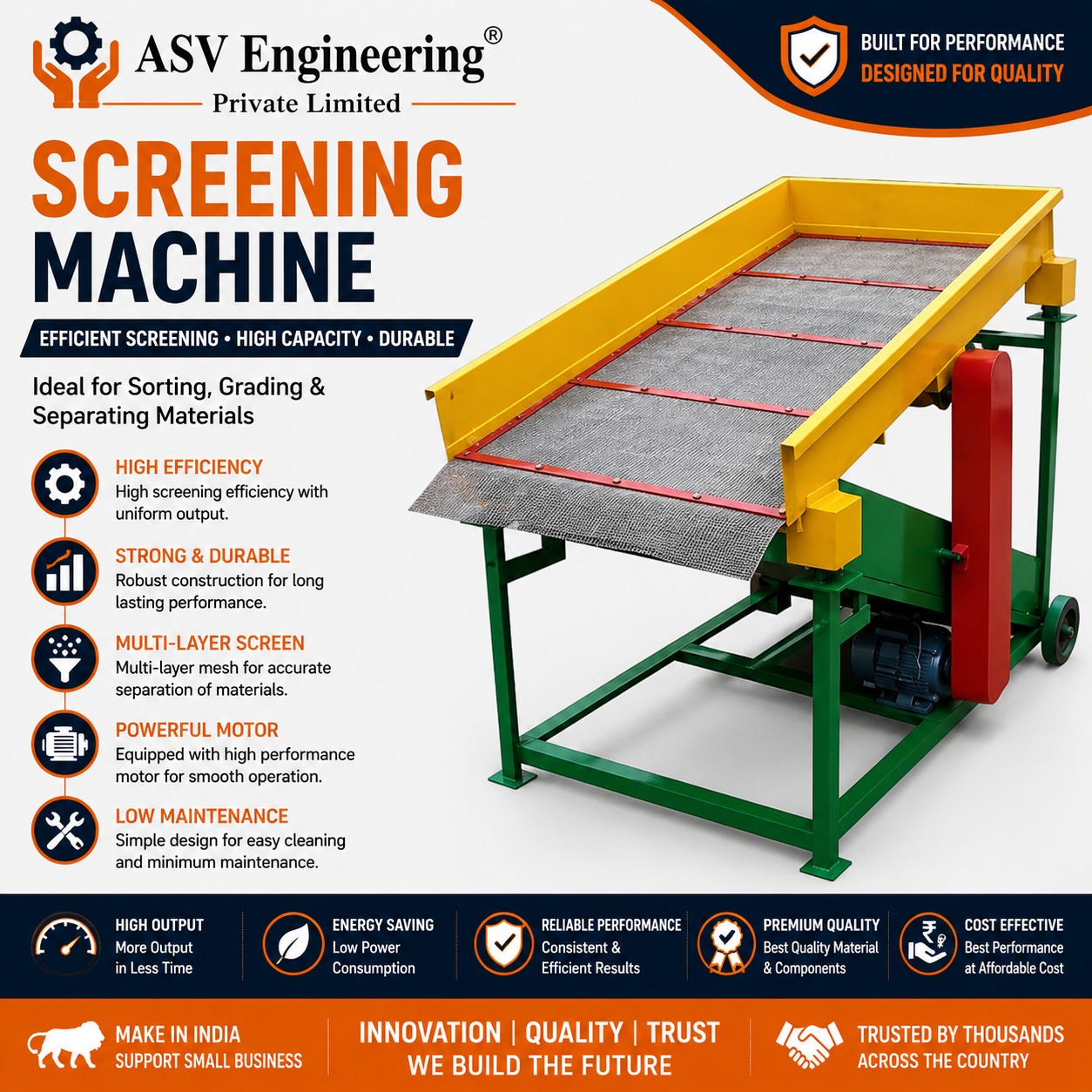
Screening Machine
View Details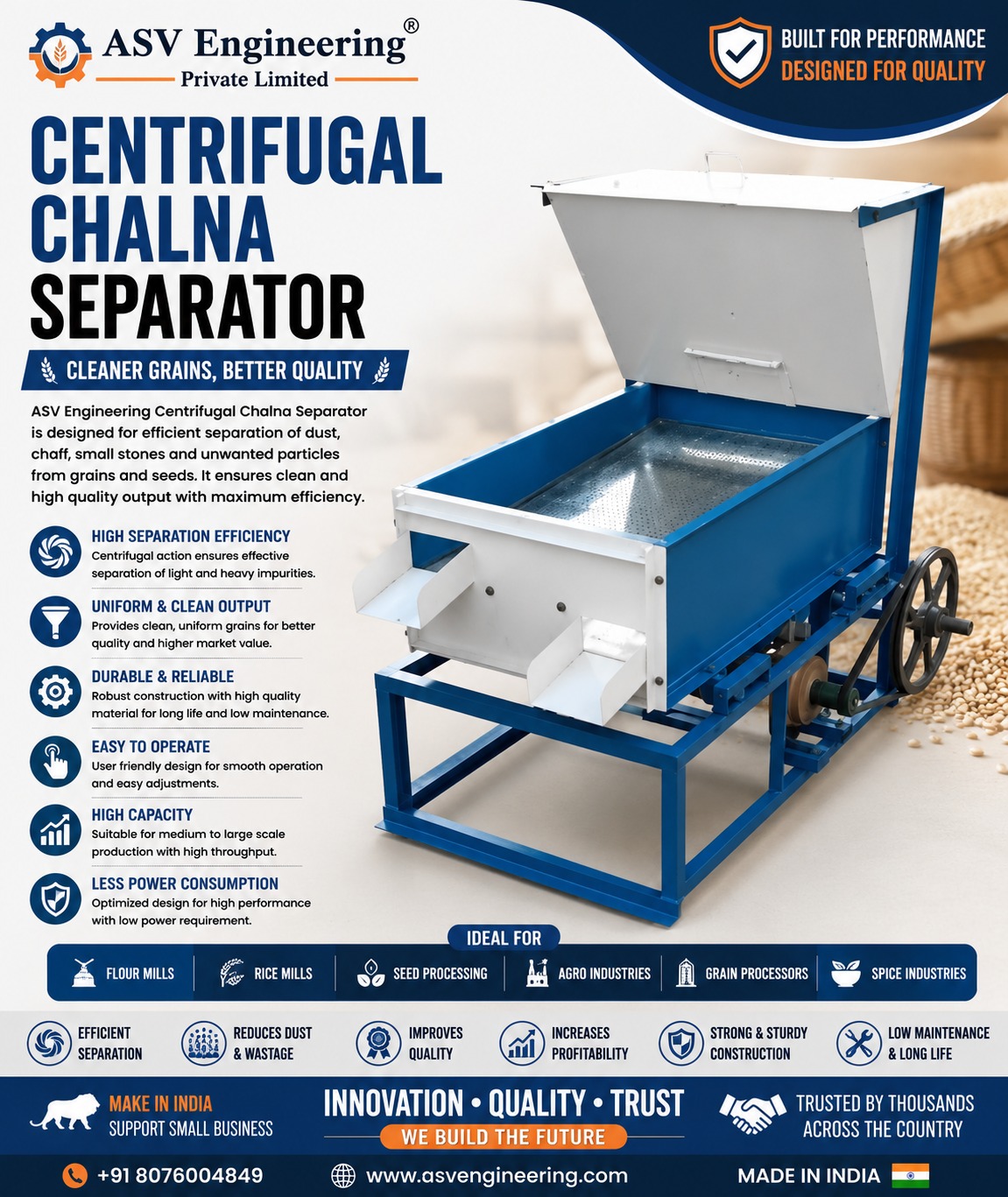
Centrifugal Chalna Separator
View Details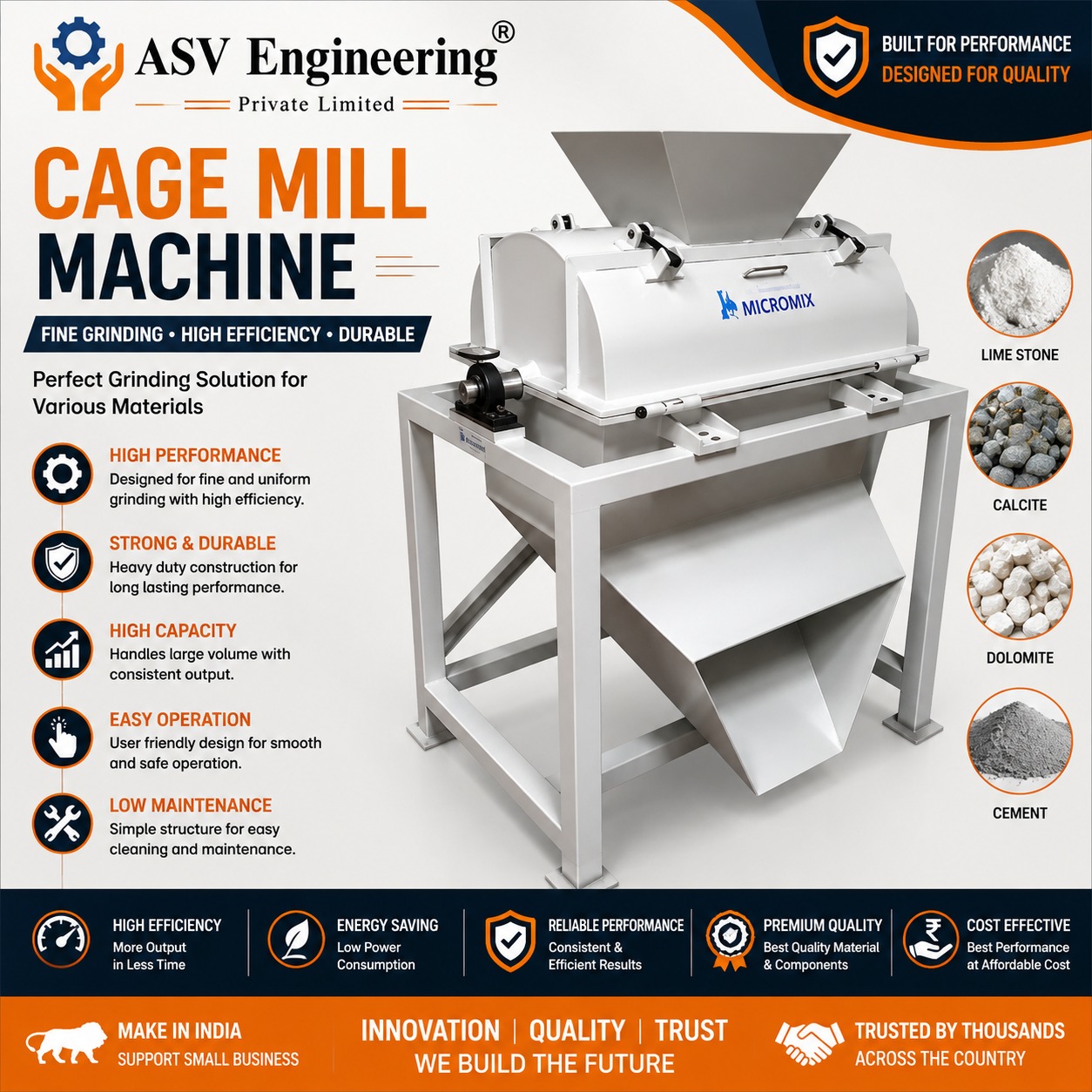
Cage Mill Machine
View Details