Commercial Chapati Making Machine
SKU: CMM-004Description
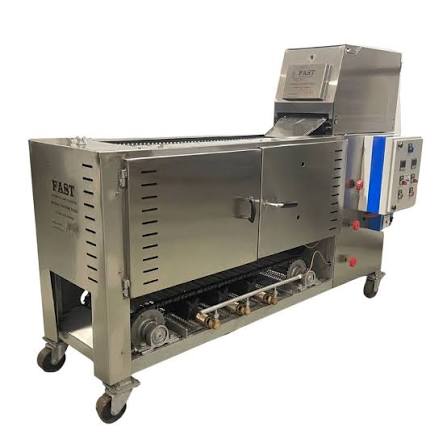
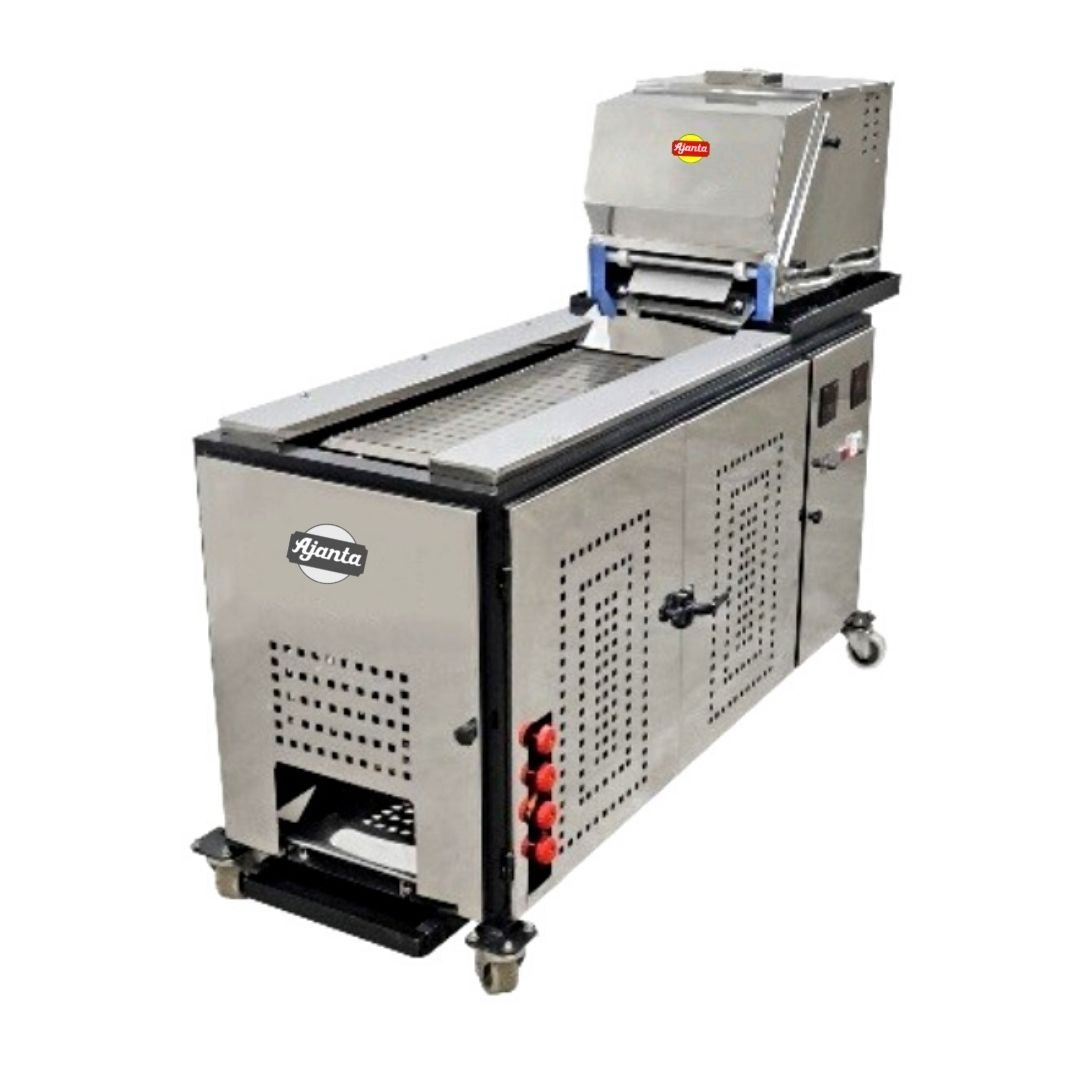
The Commercial Chapati Making Machine is engineered specifically for food businesses that produce chapatis as a core part of their daily menu but operate on a commercial scale rather than an industrial one. As a prominent manufacturer and supplier of commercial chapati making machines in Delhi, India, we build these machines for busy restaurants, hotel kitchens, catering companies, cloud kitchens, and mid-sized canteen operations that need reliable, consistent chapati output without the footprint or cost of a factory-grade production line.
This machine occupies a practical middle ground. It produces far more chapatis than a semi-automatic setup while remaining compact enough to fit into a standard commercial kitchen layout. The emphasis here is on practical daily use—machines that chefs and kitchen managers can operate, clean, and maintain without specialized engineering knowledge.
Key Features of the Commercial Chapati Making Machine
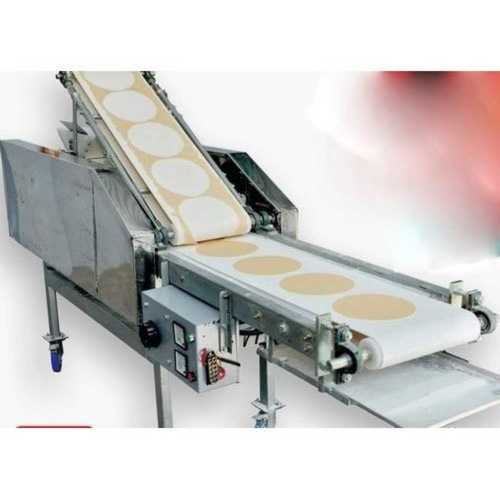
The pressing unit uses a pneumatic or motorized press with adjustable pressure settings, giving operators control over chapati thickness. The puffing section is designed with a rotating drum or flat conveyor system that exposes each chapati to even radiant heat. Food-grade SS304 steel is used for all contact surfaces, and the exterior is finished in powder-coated mild steel that resists kitchen grease and moisture.
The machine includes a dough hopper with a feed rate control, so operators can regulate how quickly dough moves through the system. An emergency stop button is positioned within easy reach. The unit runs on standard commercial kitchen power and gas connections, requiring no special utility upgrades.
How It Works
The kitchen team prepares dough in their existing mixer and loads it into the machine's hopper. The machine portions, presses, and puffs the chapatis in sequence. For models with manual transfer, the operator lifts pressed chapatis and places them on the puffing conveyor. Fully integrated models handle the entire sequence automatically. Finished chapatis emerge warm and puffed, ready for immediate serving or brief holding in a warming cabinet.
Technical Specifications
Output ranges from 500 to 1,500 chapatis per hour depending on the specific model and configuration. Chapati size is adjustable from standard 5-inch rotis to larger 8-inch versions. Power requirement is typically single-phase 220V for pressing and control circuits, with the puffing section using either LPG gas or a 3 to 5 kW electric element. The machine occupies a floor space of roughly 5 feet by 2.5 feet and weighs approximately 150 to 250 kg.
Applications and Industries
This machine finds its place in restaurant kitchens producing thali meals, hotel breakfast services, wedding and event catering operations, hospital and school canteens, cloud kitchen businesses, and packaged food startups. It is designed for businesses that produce between 300 and 1,500 chapatis per meal service and need dependable daily performance.
Benefits
The commercial machine brings production speed and consistency to kitchens that have outgrown manual chapati preparation but are not ready for a large industrial line. It frees up kitchen staff for other preparation tasks while ensuring chapatis are always available on time. The consistent output simplifies meal planning and portion management, which directly impacts food cost control.
Maintenance and Care
Clean the dough path thoroughly at the end of each service period using warm water and approved kitchen sanitizer. Inspect the pressing plates or rollers weekly for dough buildup or surface wear. Gas burners should be cleaned biweekly to prevent carbon deposits from affecting heat distribution. Keep a set of replacement gaskets and belts on hand. Our service team is available for annual maintenance contracts across major Indian cities.
Frequently Asked Questions
How much does a commercial chapati machine cost? Pricing depends on capacity and features. Contact our Delhi team for a current price list and to discuss which model suits your kitchen.
Can it run on a regular kitchen power outlet? Most models operate on standard 220V single-phase power, making installation straightforward without electrical upgrades.
What size chapatis can it make? Adjustability typically ranges from 5 inches to 8 inches in diameter, covering most standard requirements for Indian food service.
How long does installation take? Our technician typically completes installation and operator training within one working day.
Why Choose Our Delhi Factory and How to Order
We manufacture the Commercial Chapati Making Machine at our Nangloi, Delhi facility with an emphasis on kitchen-grade durability and user-friendliness. As the direct manufacturer, we offer the best pricing structure and responsive after-sales support that resellers cannot match. We ship across India and provide on-site installation and training. To explore our commercial range or place an order, call or WhatsApp us at +91 8588856870. We are happy to discuss your kitchen layout, daily chapati volumes, and recommend the ideal machine configuration.
| Specification | Details |
|---|---|
| Machine Type | Commercial Chapati Making Machine |
| Capacity | 2000 chapatis/hr |
| Body Material | SS304 Stainless Steel |
| Control | PLC Based |
| Power Supply | 220V/440V Three Phase |
| Fuel Type | Electric/Gas |
| Dough Weight | 30g-80g Adjustable |
| Chapati Size | 6-12 inch |
| Warranty | 5 Years |