Semi Automatic Chapati Machine
SKU: CMM-002Description
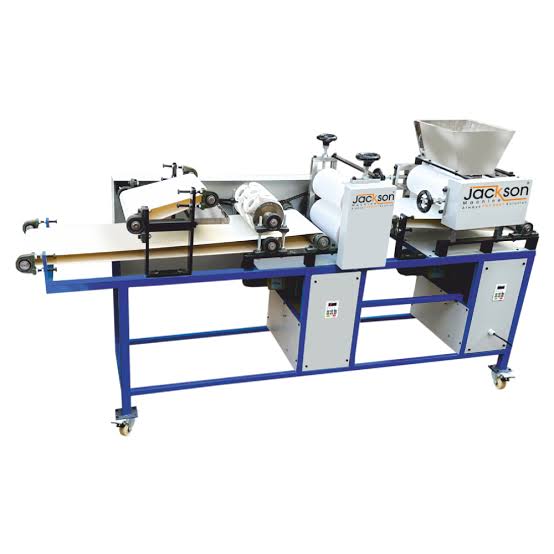
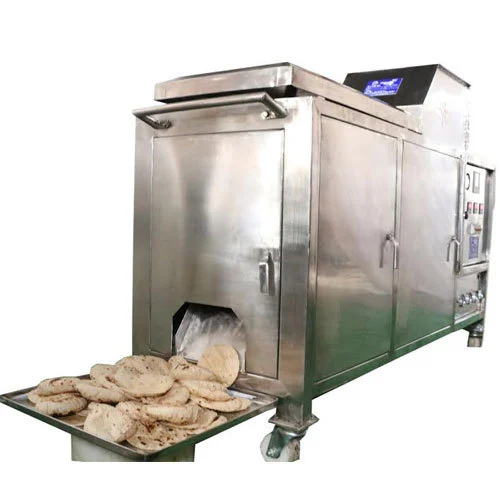
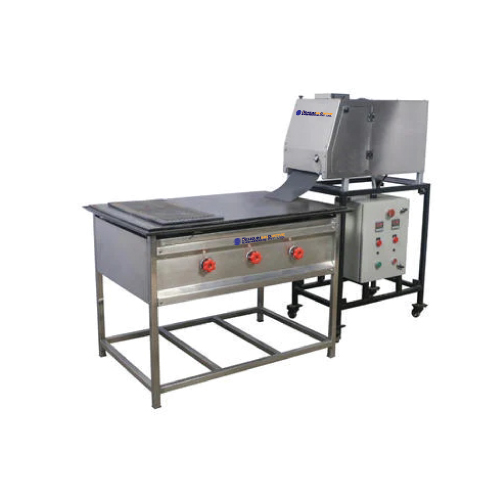
The Semi Automatic Chapati Machine bridges the gap between hand-rolling chapatis and investing in a fully automated line. As a trusted manufacturer and supplier of semi-automatic chapati machines in Delhi, India, we build these machines for small to mid-sized canteens, dhaba operators, sweet shops, and catering businesses that want faster production without the cost or complexity of a fully automated system. This machine assists the operator at critical stages—pressing and puffing—while leaving dough preparation and loading to the user's team.
The concept is straightforward and practical. A worker prepares the dough using their familiar recipe, divides it into portions by hand or with a simple divider, and places each portion onto the machine's pressing station. The machine presses the dough ball into a flat disc of uniform thickness, then the operator transfers the pressed chapati to the puffing section. This two-person workflow typically triples output compared to completely manual chapati making while keeping the process under the cook's direct control.
Key Features of the Semi Automatic Chapati Machine
The pressing station uses a hydraulic or mechanical press with adjustable gap settings. You can produce chapatis ranging from 4 inches to 7 inches in diameter by changing the plate and adjusting the press depth. The puffing station runs on gas or electric heat and features a rotating mesh conveyor that exposes both sides of the chapati to even heat. The entire food-contact surface is fabricated from SS304 stainless steel, which resists corrosion, meets food safety norms, and cleans up quickly after a busy shift.
The machine frame sits on adjustable feet, making installation easy even on uneven kitchen floors. A safety guard around the pressing zone prevents accidental hand contact during operation. The puffing section includes a flame failure device on gas models and a thermostat cutoff on electric variants, adding a layer of operational safety.
How It Works
The operator places a pre-portioned dough ball on the lower pressing plate and activates the press either with a foot pedal or a hand lever, depending on the model. The upper plate descends, flattening the dough to the set thickness. The pressed chapati is then lifted and placed on the puffing conveyor. Inside the puffing chamber, controlled heat causes the moisture in the dough to steam, inflating the chapati. In roughly 30 to 45 seconds from pressing to exit, a fully puffed chapati is ready.
Technical Specifications
Output typically ranges from 400 to 800 chapatis per hour with a two-person crew. The machine runs on a single-phase 220V power supply for the pressing motor, while the puffing section uses LPG gas or a 2 kW electric heating element. Dimensions are compact—approximately 4 feet by 2 feet by 3 feet—so it fits easily into most commercial kitchens without major layout changes. Weight is around 80 to 120 kg, manageable for transport and installation through standard doorways.
Applications and Industries
Semi automatic chapati machines suit roadside dhabas, small restaurant chains, marriage banquet kitchens, langar halls, school and college canteens, and any food business where chapati volumes are moderate but speed matters. They are also popular with entrepreneurs starting a home-based chapati supply business, as the initial investment is modest and the machine can scale with demand.
Benefits
The primary advantage is cost-effectiveness. You get a significant output boost without spending on a fully automated line. The operator retains control over dough quality, pressing pressure, and puffing time, which is important for businesses that pride themselves on a particular chapati texture. Maintenance is minimal, and the machine can be disassembled for deep cleaning without specialized tools.
Maintenance and Care
After each shift, wipe down the pressing plates and run a damp cloth through the puffing conveyor. Once a week, remove the pressing plates and wash them thoroughly. Check the puffing burner or element for carbon buildup or residue monthly. Keep the pressing mechanism lightly oiled to ensure smooth operation. We supply a basic maintenance kit with each machine to get you started.
Frequently Asked Questions
What is the cost of a semi automatic chapati machine? Prices are modest compared to fully automated models. Contact our Delhi team for current pricing based on your preferred configuration and fuel type.
How many people are needed to operate it? A minimum of two workers—one handling dough portions and pressing, the other managing puffing and collection. With practice, a single skilled operator can manage both stations at moderate output levels.
Can it make different sizes of chapatis? Yes, by swapping the pressing plates and adjusting the gap setting, you can produce chapatis from 4 inches up to 7 inches in diameter.
What kind of maintenance does it require? Basic daily cleaning and monthly lubrication. Our technicians are available for periodic service visits across North India.
Why Choose Our Delhi Factory and How to Order
We build the Semi Automatic Chapati Machine at our Nangloi, Delhi workshop with a focus on durability and ease of use. As the direct manufacturer, we keep pricing honest and provide genuine spare parts without delays. Delivery covers all of India, and our installation team will set up the machine and train your operators on-site. To get started, reach out by calling or WhatsApp at +91 8588856870. We will walk you through the options, recommend the right configuration for your kitchen, and arrange everything from dispatch to installation.
| Specification | Details |
|---|---|
| Machine Type | Semi Automatic Chapati Machine |
| Capacity | 500 chapatis/hr |
| Body Material | SS304 Stainless Steel |
| Control | PLC Based |
| Power Supply | 220V/440V Three Phase |
| Fuel Type | Electric/Gas |
| Dough Weight | 30g-80g Adjustable |
| Chapati Size | 6-12 inch |
| Warranty | 3 Years |