Cotton Wick Machine
Description
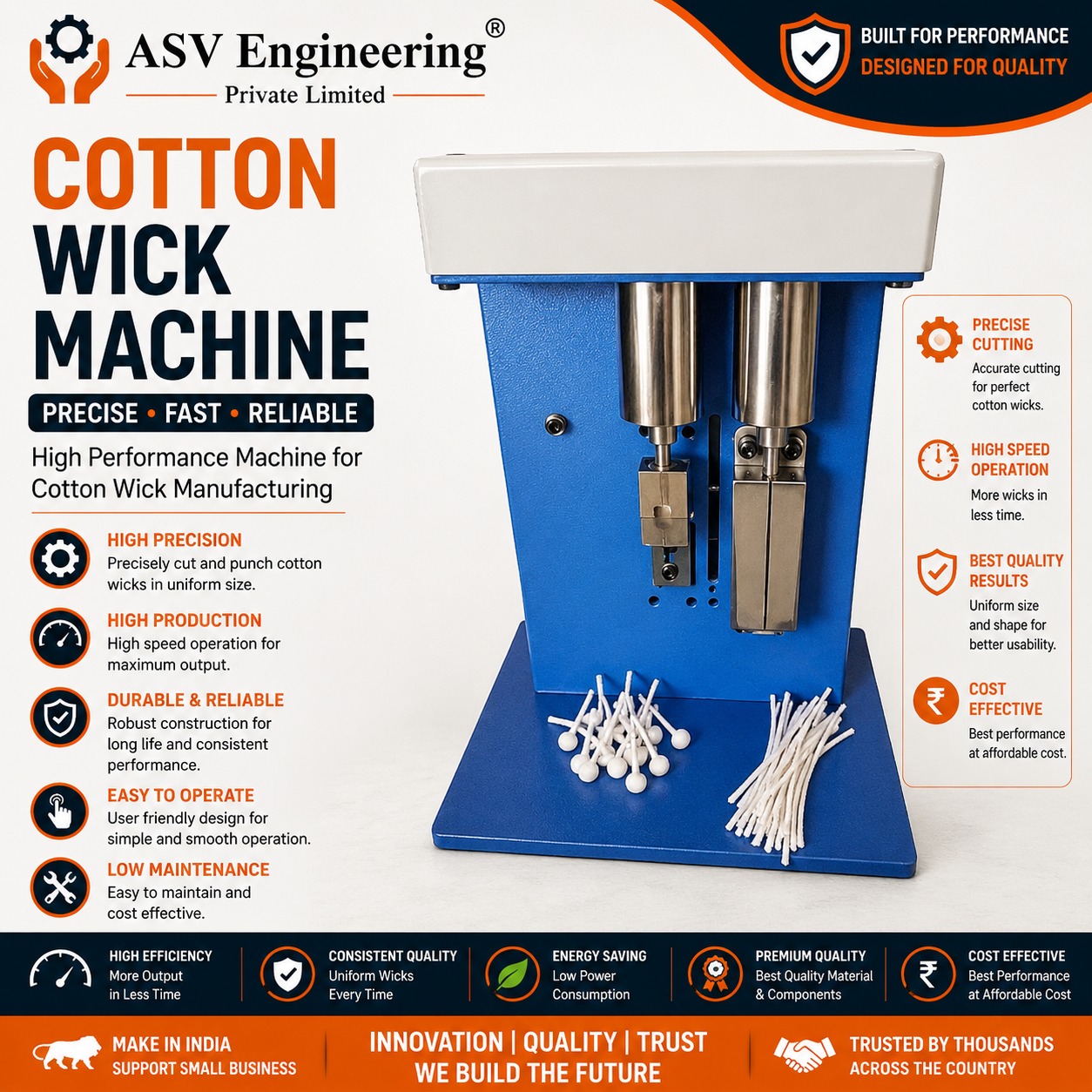
When it comes to sourcing a dependable cotton wick machine manufacturer in Delhi, India, businesses across the country trust our factory for reliable, high-performance wick-making solutions. Our cotton wick machine is purpose-built to produce cotton wicks of consistent quality at speeds that manual labor simply cannot match. Whether you run a small religious supply shop, a large-scale puja material distribution company, or a cottage industry looking to expand production, this machine delivers the throughput you need without compromising on wick shape, density, or absorbency.
What Is a Cotton Wick Making Machine?
A cotton wick making machine is an automated device that transforms raw cotton into neatly formed wicks used in oil lamps, diyas, and various religious and ceremonial applications across India. Traditional wick rolling by hand is painstakingly slow and produces inconsistent results. Our cotton wick machine eliminates that bottleneck entirely, enabling operators to produce hundreds of wicks per hour with uniform length, thickness, and absorbency. This makes it an indispensable tool for anyone in the devotional product supply chain.
Key Features of Our Cotton Wick Machine
Our Delhi-manufactured cotton wick machine stands out for several practical reasons. First, the entire frame is constructed from heavy-gauge stainless steel and mild steel components that resist rust and corrosion, even in humid workshop environments. The machine operates on a standard single-phase electrical supply, so there is no need for costly three-phase wiring at your facility. Adjustable mold sizes allow you to produce round wicks, long wicks, andjis super wicks without switching out entire assemblies. The motor is a branded, energy-efficient unit rated for continuous operation, meaning you can run multiple shifts without overheating or premature wear. Noise levels remain low throughout the production cycle, making it suitable for home-based enterprises and small factory floors alike.
How Does the Cotton Wick Machine Work?
Operating the cotton wick machine is straightforward even for first-time users. Raw cotton is fed into the hopper at the top of the machine. Internal rollers and guides compress and shape the cotton strand. The formed wick is then cut to a preset length by an adjustable cutting mechanism. The finished wicks drop into a collection tray at the front. An operator can comfortably manage two machines simultaneously once familiar with the feeding rhythm. There are no chemical adhesives or binding agents involved; the machine relies purely on mechanical compression and twist to hold the wick shape, which ensures a clean, natural product that burns evenly in oil lamps.
Technical Specifications
The machine dimensions are approximately 60 cm x 40 cm x 50 cm, and it weighs around 35 kilograms, making it portable enough to move between workstations. Power consumption is in the range of 0.5 to 1 kilowatt depending on the production speed setting. Production capacity ranges from 300 to 800 wicks per hour, adjustable based on wick size and cotton density. The cotton hopper holds roughly two kilograms of raw cotton before refilling. Voltage requirement is 220 volts, single phase, 50 hertz. The machine is finished in food-grade polished steel surfaces that are easy to wipe down between production runs. Every unit ships with a toolkit, spare cutting blades, and a printed operation manual in Hindi and English.
Applications and Industries
Cotton wick machines serve a wide spectrum of industries and entrepreneurs. Religious product manufacturers use them to produce wicks for temples, mosques, gurudwaras, and household puja markets. The hospitality sector buys branded wick packs for hotel prayer rooms and wellness centers. Craft exporters use machine-made wicks in gift sets and festive hampers. Small business owners in rural and semi-urban India rely on these machines as affordable startups that generate steady daily income. Event organizers procure bulk quantities of wicks for large-scale festivals like Diwali, Dussehra, and Chhath Puja. Essentially, wherever oil lamps are lit, there is a market for quality cotton wicks, and this machine keeps you supplied.
Benefits of Choosing a Machine-Made Wick Process
Switching from hand-rolled wicks to machine-produced wicks brings tangible advantages. Production speed increases tenfold, allowing you to fulfill large orders that would otherwise require dozens of laborers. Wicks are uniform in size, which means customers get a reliable product every time they purchase from you. Material waste drops significantly because the machine uses cotton with precision rather than the trial-and-error of hand production. Labor costs fall as a single operator can replace several skilled wick rollers. The consistent burn quality of machine-made wicks also builds your brand reputation among end buyers who notice the difference in performance.
Maintenance and Care
Keeping your cotton wick machine in top condition requires minimal effort. Wipe down the stainless steel surfaces after each production shift to remove cotton dust and fiber residue. Oil the moving parts and gear joints weekly using the lubricant recommended in the manual. Inspect the cutting blades every two to three weeks and sharpen or replace them as needed to maintain clean cuts. Check the electrical connections monthly for any signs of wear. The motor filters should be cleaned or replaced every six months under normal operating conditions. Our Delhi factory provides spare parts dispatch within two to three business days for any component that needs replacement, and our technical team is available by phone for troubleshooting guidance.
Frequently Asked Questions
What is the price of a cotton wick making machine in India?
Pricing varies depending on the production capacity and configuration you choose. Entry-level single spindle models start at a very affordable range suitable for home businesses, while multi-spindle high-speed units for industrial-scale production are priced higher. Contact our sales team at +91 8588856870 for the latest price list and any current promotional offers.
How many wicks can one machine produce per hour?
Our standard single-unit machine produces between 300 and 800 wicks per hour depending on the wick type and speed setting. Round wicks and long wicks have slightly different throughput rates. For higher volume requirements, we also offer dual-spindle models that effectively double the output.
Is raw cotton the only input required?
Yes, the machine works with standard raw cotton, often called cotton sliver or cotton wadding. No chemical treatments, glues, or additives are needed. The machine shapes and compacts the cotton purely through mechanical processes, which keeps your final product natural and safe for use in oil lamps.
Do you provide installation and training?
Absolutely. Our technicians can visit your site in Delhi or anywhere across India for installation and hands-on operator training. We also provide video tutorials and a comprehensive manual so your team can onboard new operators quickly even after our technician has left.
Why Choose Our Delhi Factory and How to Order
We are a Delhi-based cotton wick machine manufacturer with years of hands-on experience building machines that Indian businesses actually rely on day after day. Our factory in Nangloi, Delhi, is equipped with precision machining tools and strict quality checks at every assembly stage. We do not sell generic imported equipment; every unit is built, tested, and fine-tuned on-site before dispatch. Pan-India delivery is standard, and we arrange installation support at your location. To discuss your specific wick production needs, request a quotation, or place an order, call us directly at +91 8588856870. Our team will walk you through machine options, shipping timelines, and payment terms. We look forward to helping you scale your cotton wick business with equipment you can count on for years to come.
| Specification | Details |
|---|---|
| Machine Type | Cotton Wick Machine |
| Body Material | SS304 / MS |
| Power Supply | 220V/440V Three Phase |
| Warranty | 1 Year |
Related Products
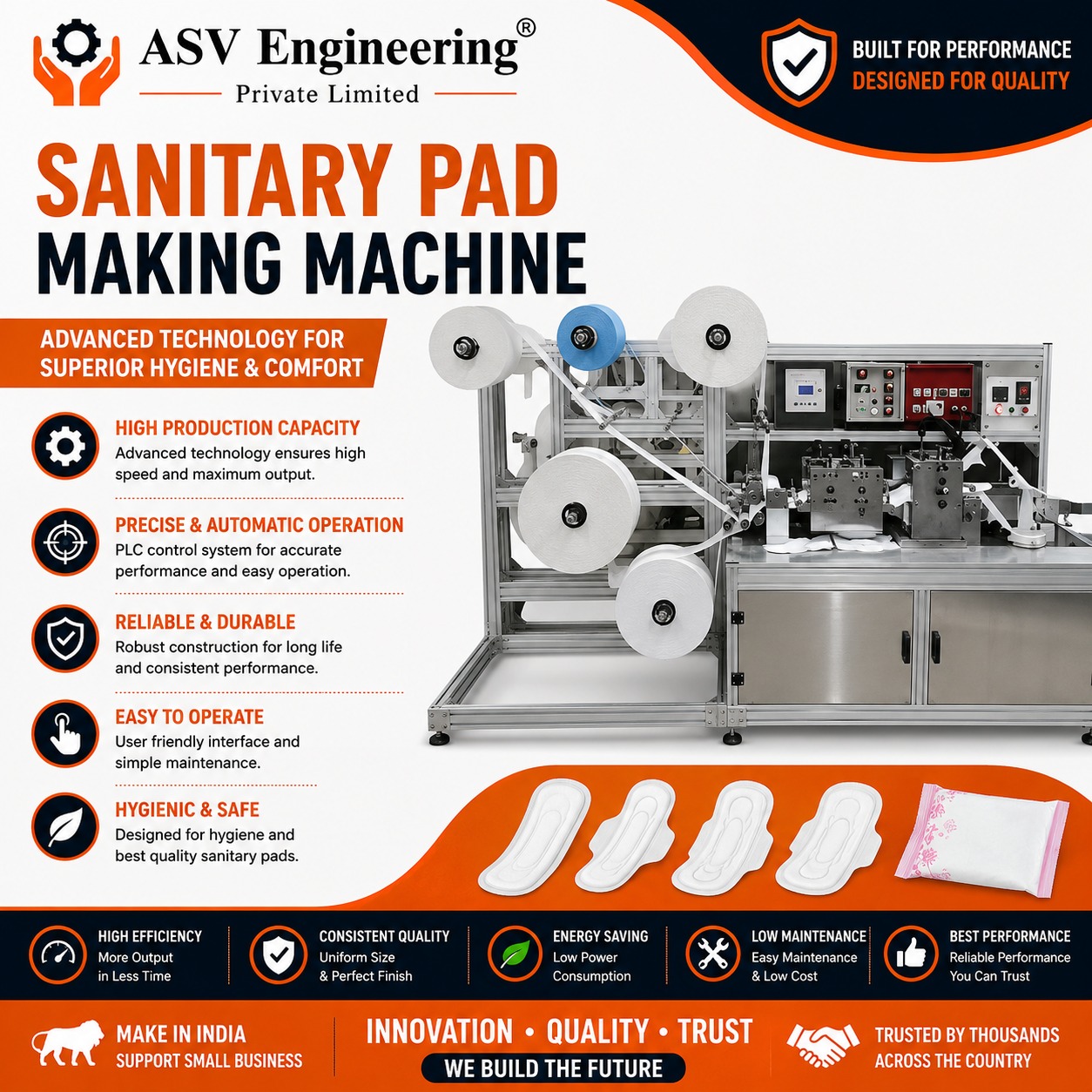
Sanitary Pad Making Machine
View Details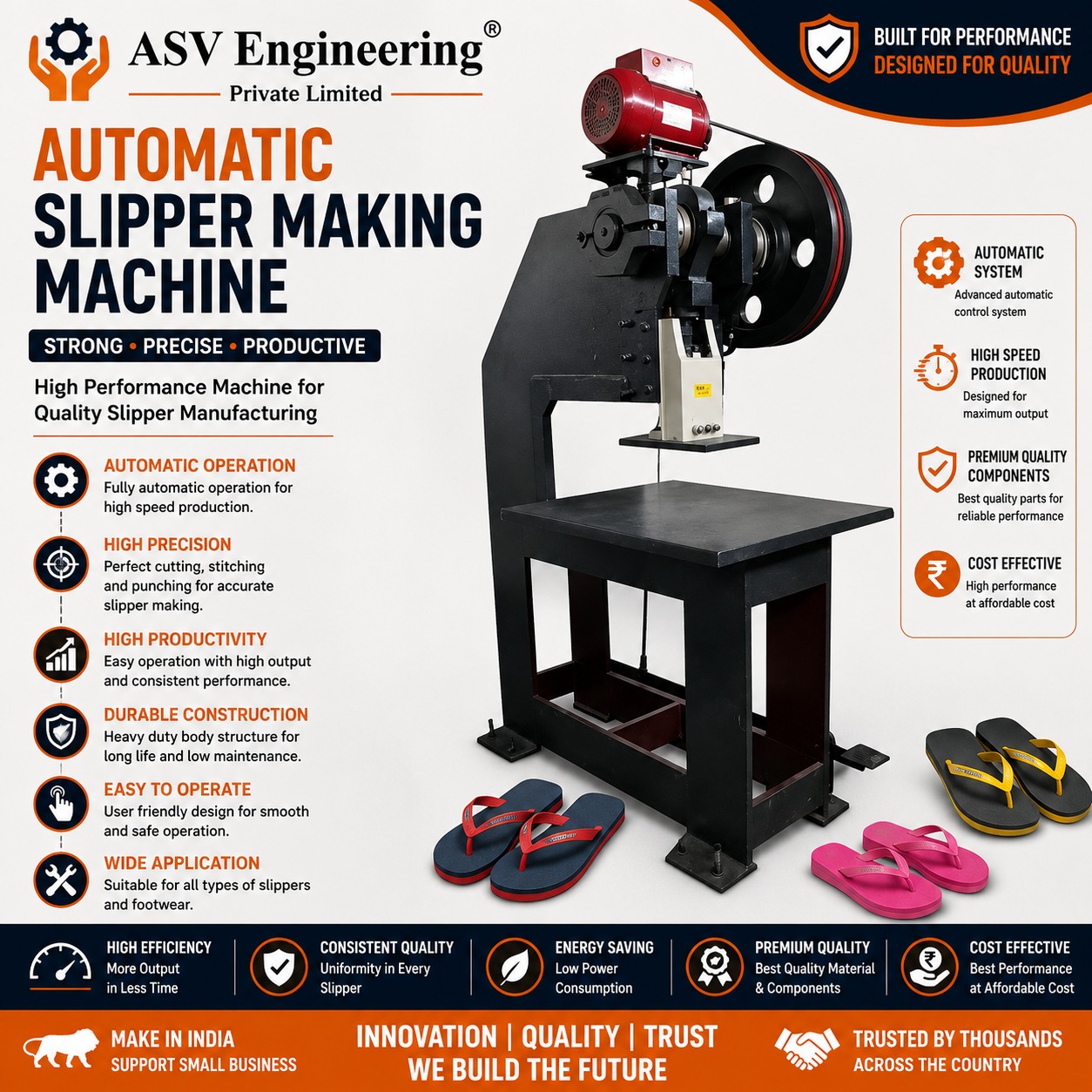
Slipper Making Machine
View Details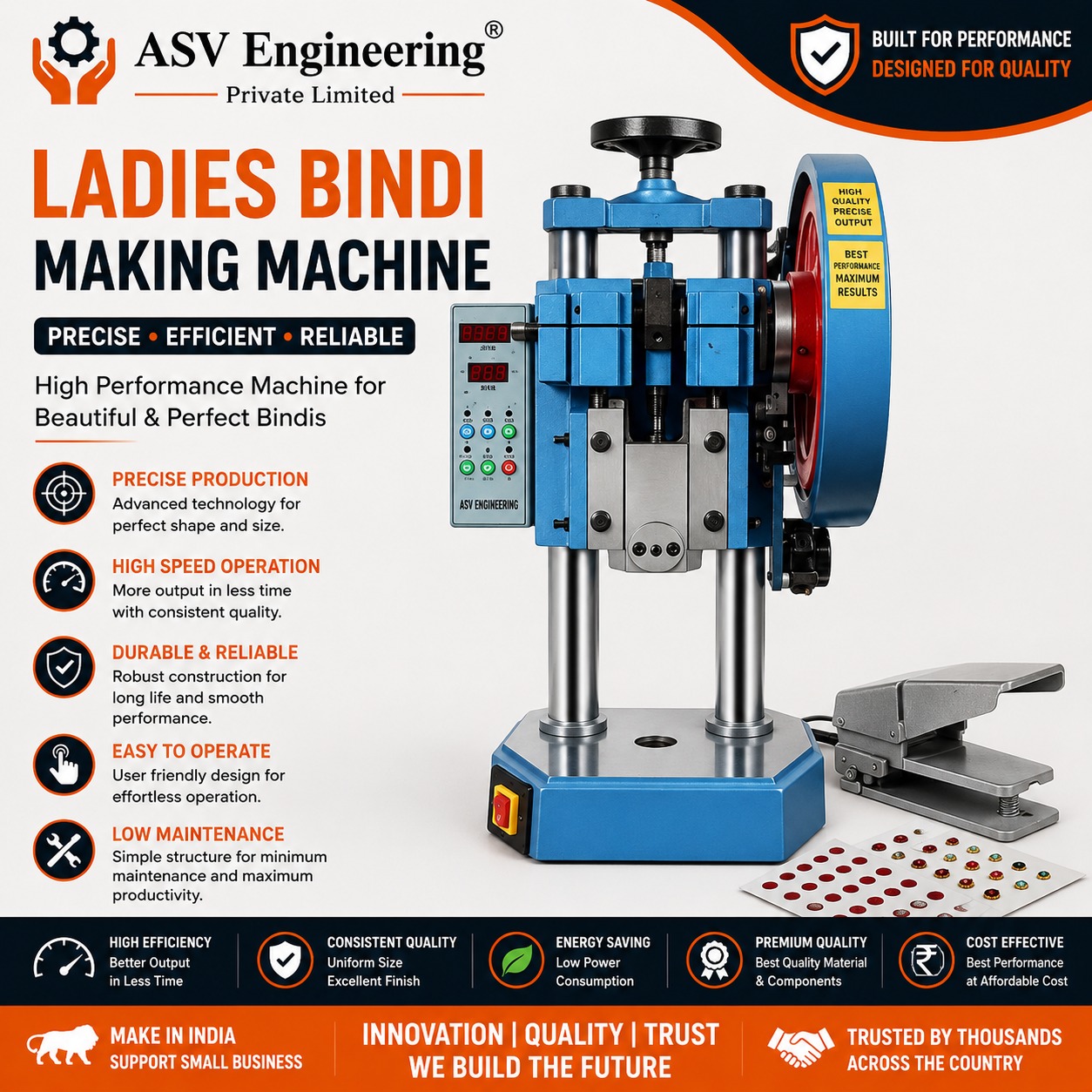
Ladies Bindi Making Machine
View Details