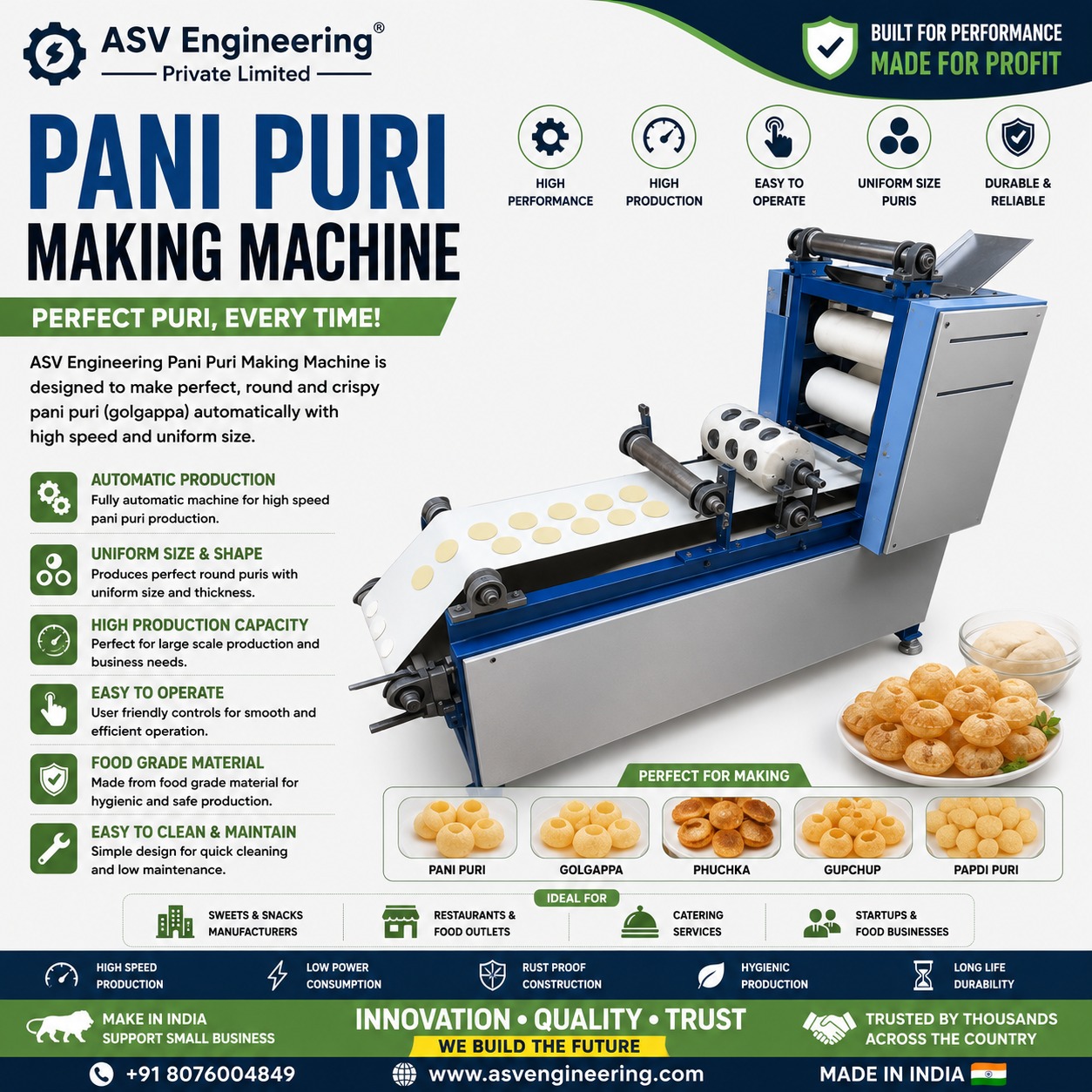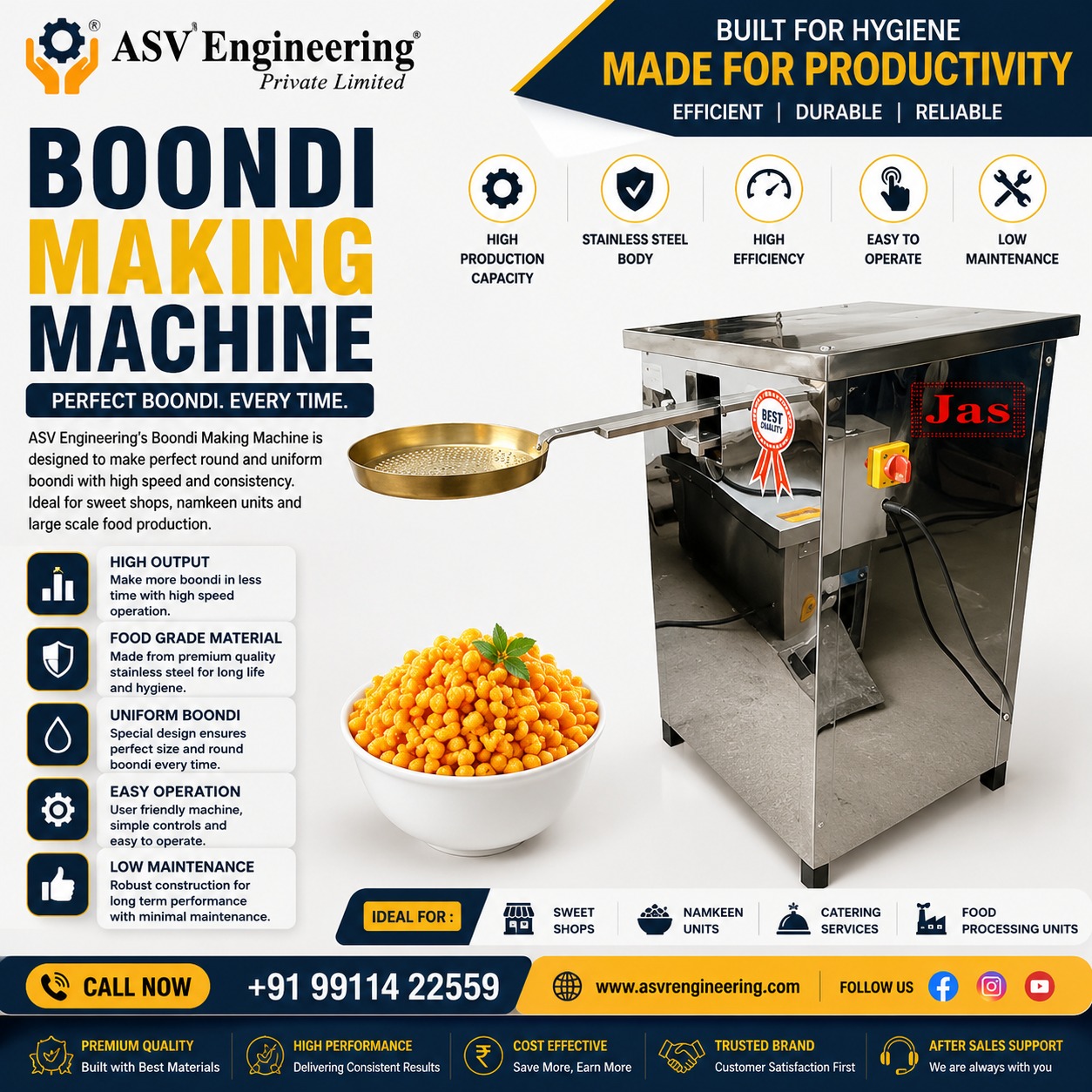
Boondi Making Machine
Description
Choosing the right boondi making machine manufacturer in Delhi, India can transform the way your sweet shop, catering business, or snack manufacturing unit handles one of the most popular Indian treats. Boondi, those tiny golden fried droplets of gram flour batter, are used in laddoos,raitas, snacks, and festive sweets across every region of India. Our boondi making machine produces uniformly shaped boondi at speeds that would require a team of skilled workers to match. Built with food-grade materials and designed for easy operation, this machine is the practical solution for any business that produces boondi in commercial quantities.
What Is a Boondi Making Machine?
A boondi making machine is a food processing device that automates the production of small, round boondi droplets from besan batter. Traditionally, boondi is made by pouring batter through a perforated ladle into hot oil, a process that demands considerable skill to achieve consistent size and shape. Our machine replicates this process mechanically, dropping precise amounts of batter into the frying zone at controlled intervals. The result is a batch of boondi pieces that are nearly identical in size, cook evenly, and present a professional appearance whether they end up in a sweet laddoo or a savory snack mix.
Key Features
Our boondi making machine is constructed with AISI 304 stainless steel in all parts that come into contact with batter and oil, meeting the hygiene standards expected in food production. The batter hopper features a stirring mechanism that keeps the besan mixture at consistent consistency throughout the production run, preventing the settling and thickening that can cause inconsistent droplet formation. The perforated disc or plate that forms the boondi droplets is made from precision-drilled stainless steel with hole diameters selectable from 4 millimeters to 10 millimeters. Temperature control for the frying zone is managed through an adjustable gas burner or electric heating element, depending on the model. A mesh conveyor or manual retrieval system moves the fried boondi from the oil to a draining station. The entire machine is designed for quick disassembly, which simplifies the end-of-day cleaning that food production demands.
How Does the Boondi Making Machine Work?
The process starts with preparing besan batter to the desired consistency. The batter is poured into the machine's hopper, which feeds it onto a rotating or oscillating perforated disc positioned above the hot oil. As the batter passes through the holes, gravity and mechanical action form small droplets that fall directly into the frying oil below. The oil temperature is maintained at the correct level to cook the boondi evenly without burning. Fried boondi pieces are scooped out using a perforated basket or an automated mesh conveyor that lifts them from the oil and allows excess oil to drain. The finished boondi is collected in a tray for cooling, seasoning, or further processing into sweets. The operator controls batter flow rate, disc speed, and oil temperature to fine-tune the size and texture of the boondi.
Technical Specifications
The machine dimensions are approximately 90 cm x 60 cm x 80 cm for the standard tabletop model, weighing around 45 kilograms. Power consumption is in the 2 to 4 kilowatt range for electrically heated versions, while gas-heated models use an LPG burner rated at 10,000 to 15,000 BTU. Production capacity ranges from 15 to 30 kilograms of boondi per hour depending on the machine size and batter consistency. The frying oil capacity is approximately 15 to 25 liters. Perforated discs are available in hole sizes of 4 mm, 6 mm, 8 mm, and 10 mm, and additional sizes can be manufactured on request. The machine operates on single-phase 220-volt power for the motor and control systems, with the heating system on a separate gas or electrical circuit. Oil temperature is adjustable between 160 degrees Celsius and 190 degrees Celsius.
Applications and Industries
Boondi making machines are used by sweet shops and mithai manufacturers who produce boondi laddoos, motichoor laddoos, and boondi-based sweets in large volumes for festivals and weddings. Snack manufacturers produce salty and spiced boondi for retail packaging. Catering companies that serve large gatherings use the machine to prepare boondi raita and boondi chaat in bulk. Restaurants and hotel kitchens with extensive Indian menus find the machine useful for maintaining boondi supply during peak service hours. Frozen food companies package boondi-based products for distribution to supermarkets. Even roadside food vendors with high customer footfall have found that a boondi making machine helps them keep up with demand during festival seasons and busy market days.
Benefits of Machine-Made Boondi
Uniformity is the primary advantage. Hand-made boondi varies in size and shape, which leads to uneven cooking and inconsistent texture in the final product. Machine-made boondi pieces cook at the same rate, which simplifies frying timing and reduces the number of undercooked or overcooked pieces. Production speed increases significantly, allowing you to handle peak demand periods like Diwali and Holi without stress. Labor costs drop because the machine does the work that traditionally required two or three experienced cooks working together. Oil usage becomes more efficient because the controlled frying temperature and consistent droplet size reduce waste and splashing. The visual appeal of uniformly shaped boondi also enhances the presentation of your sweets and snacks, which directly influences customer perception and repeat purchases.
Maintenance and Care
Food production equipment demands diligent cleaning, and our boondi making machine is designed to make that task manageable. Disassemble the batter hopper, perforated disc, and frying components at the end of each production day and wash them with warm water and food-safe detergent. Drain the frying oil and filter it for reuse, replacing it when it darkens significantly or develops off-odors. Inspect the perforated disc weekly for clogged holes, which can be cleared with a small brush or pin. Lubricate the motor bearings and drive mechanism monthly with food-grade lubricant. Check the gas burner or heating element for proper function weekly. The frying zone thermocouple or thermostat should be calibrated quarterly to maintain accurate temperature readings. Our Delhi factory supplies replacement perforated discs, heating elements, burner assemblies, and other parts with fast dispatch across India.
Frequently Asked Questions
What is the price of a boondi making machine in India?
Prices vary based on machine size, heating method, and production capacity. Small batch models suitable for sweet shops and small caterers are priced affordably for quick return on investment. Larger industrial models with higher output and automated frying are priced for manufacturers with significant daily production needs. Call +91 8588856870 for current pricing and to discuss which model fits your operation.
Can the machine make both sweet boondi and salty boondi?
Yes. The machine produces boondi from besan batter regardless of whether you add sugar, salt, or spices to the batter. The shape and size of the boondi remain consistent. Sweet boondi and salty boondi are differentiated by batter recipe, not by the machine configuration.
How much besan batter does the machine consume per hour?
Consumption depends on the machine speed and boondi size. On average, a standard machine uses 20 to 40 kilograms of prepared batter per hour. This translates to roughly 15 to 30 kilograms of finished boondi, depending on moisture content and frying shrinkage.
Is the machine easy to clean?
Yes. We designed the machine with quick-release fasteners and removable components specifically to make daily cleaning straightforward. Most operators can fully disassemble, clean, and reassemble the machine in under thirty minutes.
Why Choose Our Delhi Factory and How to Order
Our factory in Nangloi, Delhi, specializes in food processing machinery that Indian sweet makers and snack manufacturers can depend on. We build our boondi making machines using quality stainless steel and reliable heating and motor components because we know that downtime in a sweet shop or snack factory directly impacts revenue. Every machine is tested with real besan batter and hot oil before dispatch to confirm that droplet formation, frying, and drainage all work correctly. We provide pan-India delivery, on-site installation, and operator training at your location. For pricing, model recommendations, or to place an order, call us at +91 8588856870. Our team is ready to help you step up your boondi production with equipment built specifically for the Indian food industry.
| Specification | Details |
|---|---|
| Machine Type | Boondi Making Machine |
| Body Material | SS304 / MS |
| Power Supply | 220V/440V Three Phase |
| Warranty | 1 Year |
Related Products
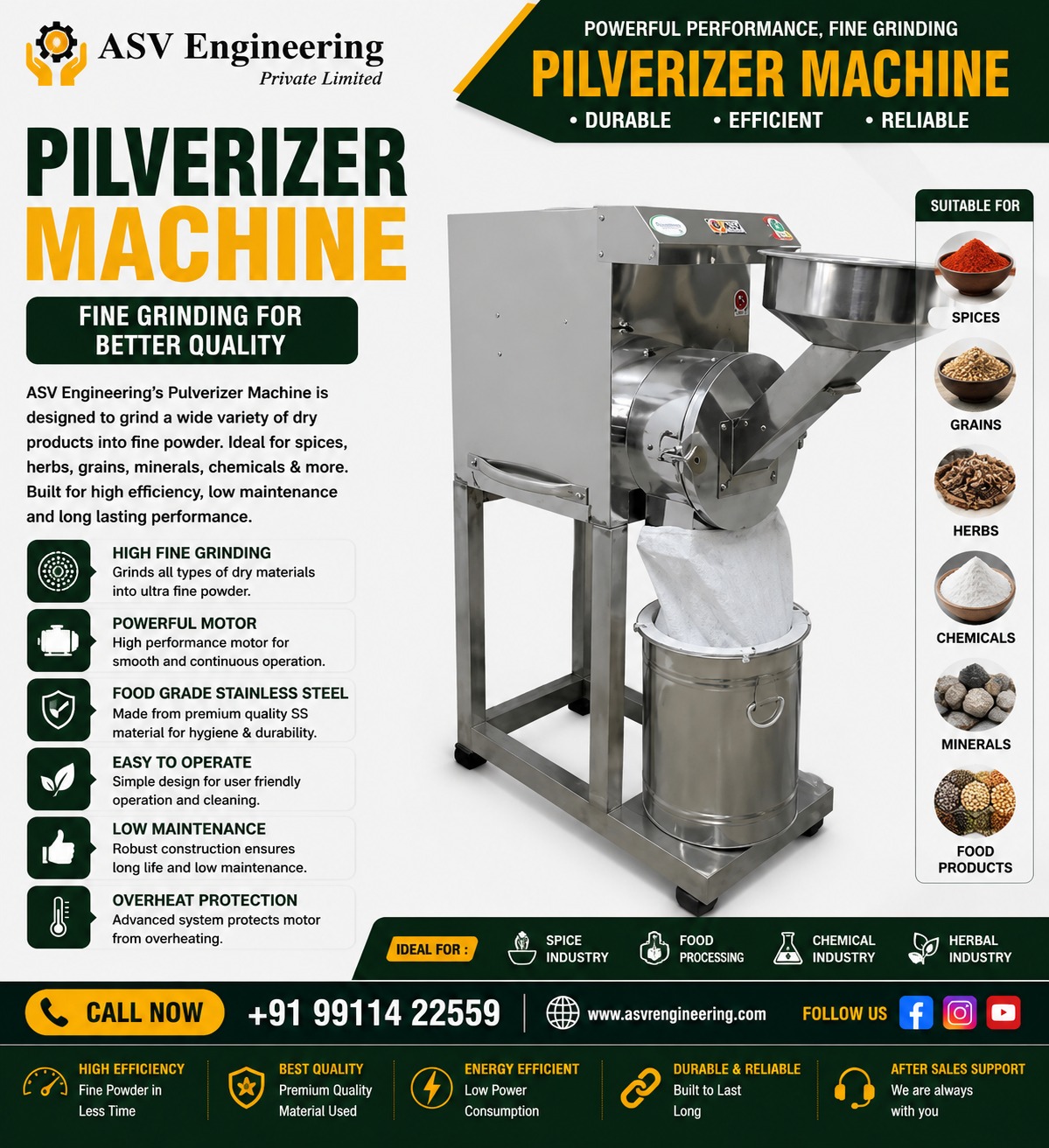
Pulverizer Machine
View Details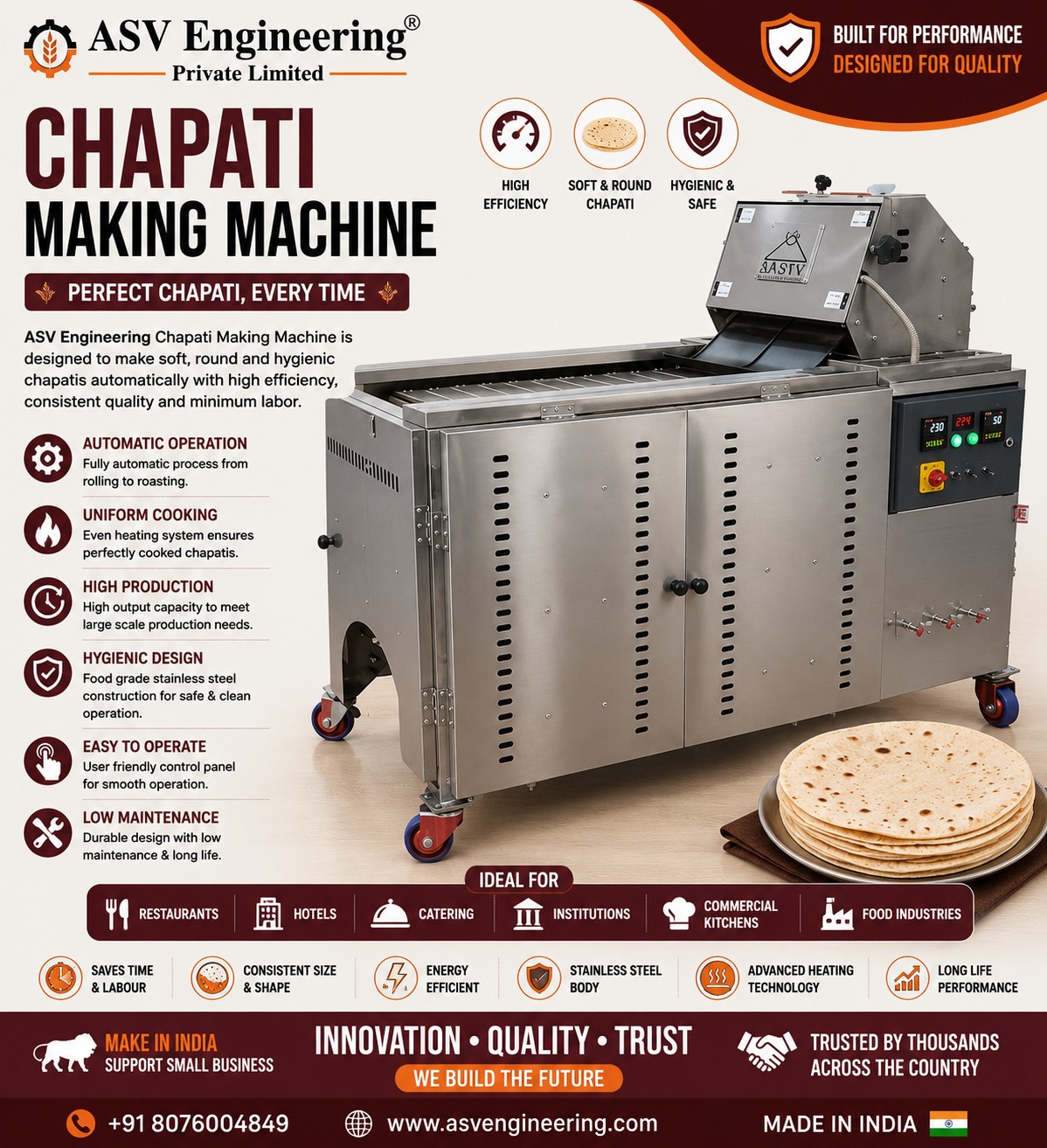
Chapati Making Machine
View Details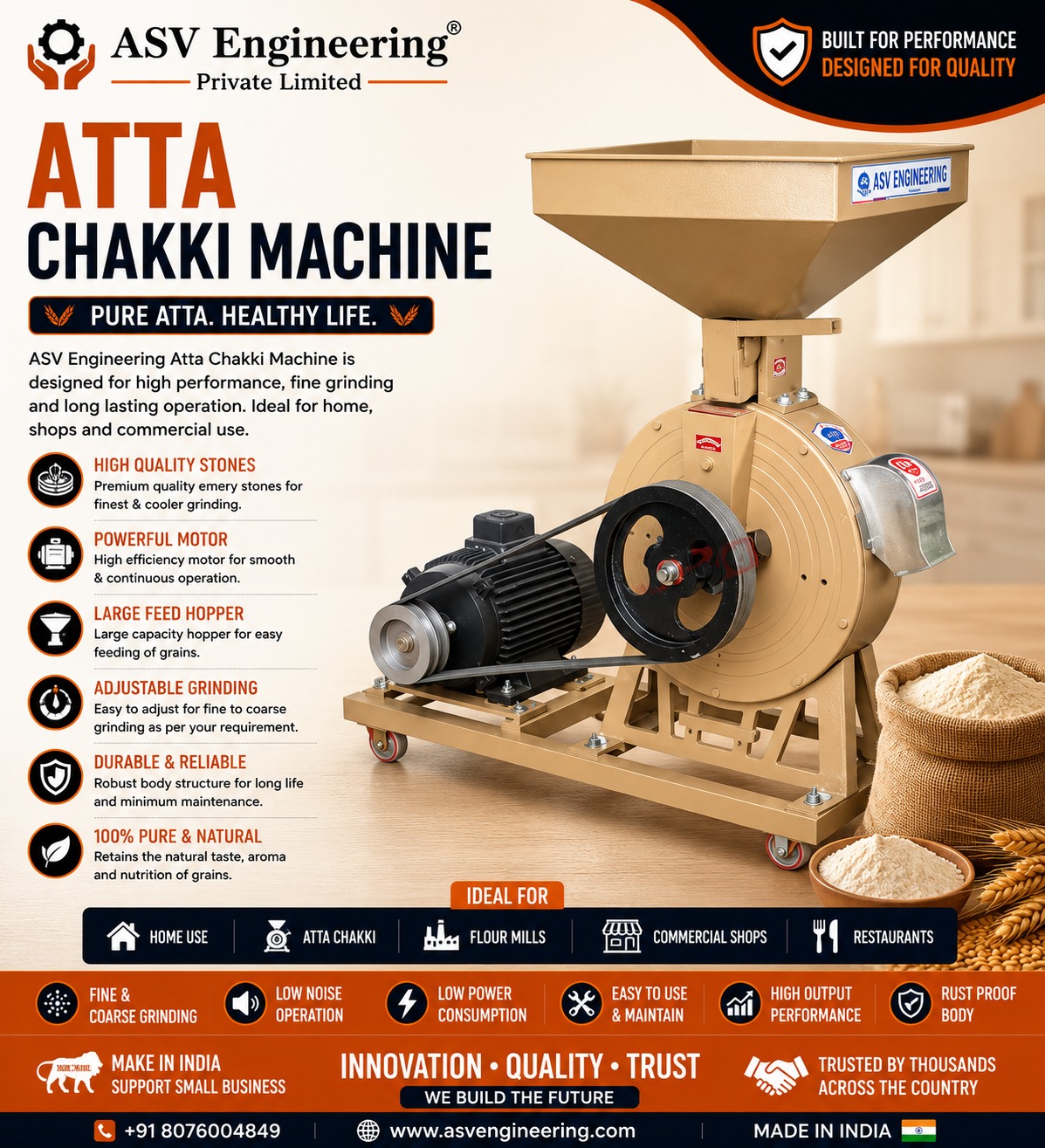
Atta Chakki Machine
View Details