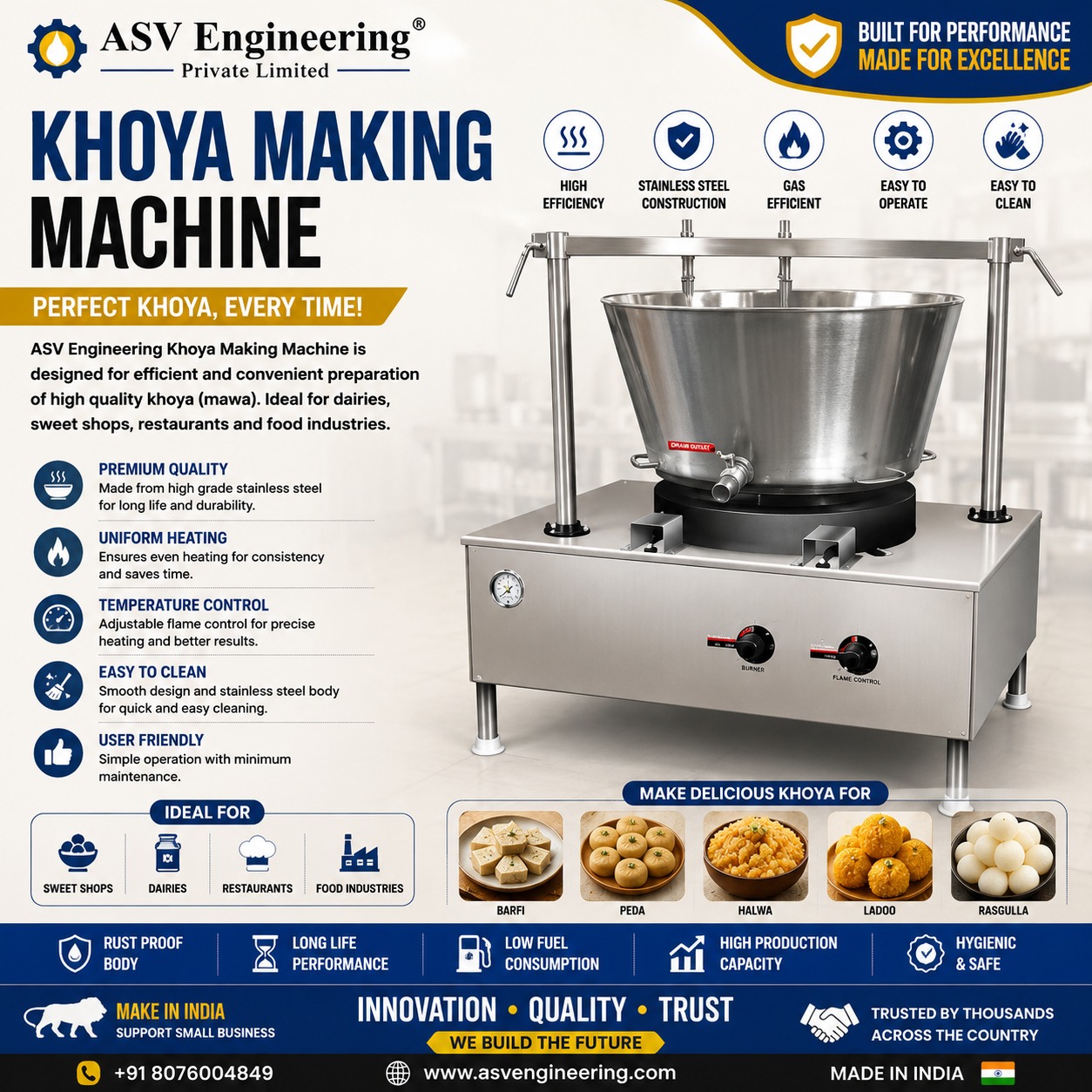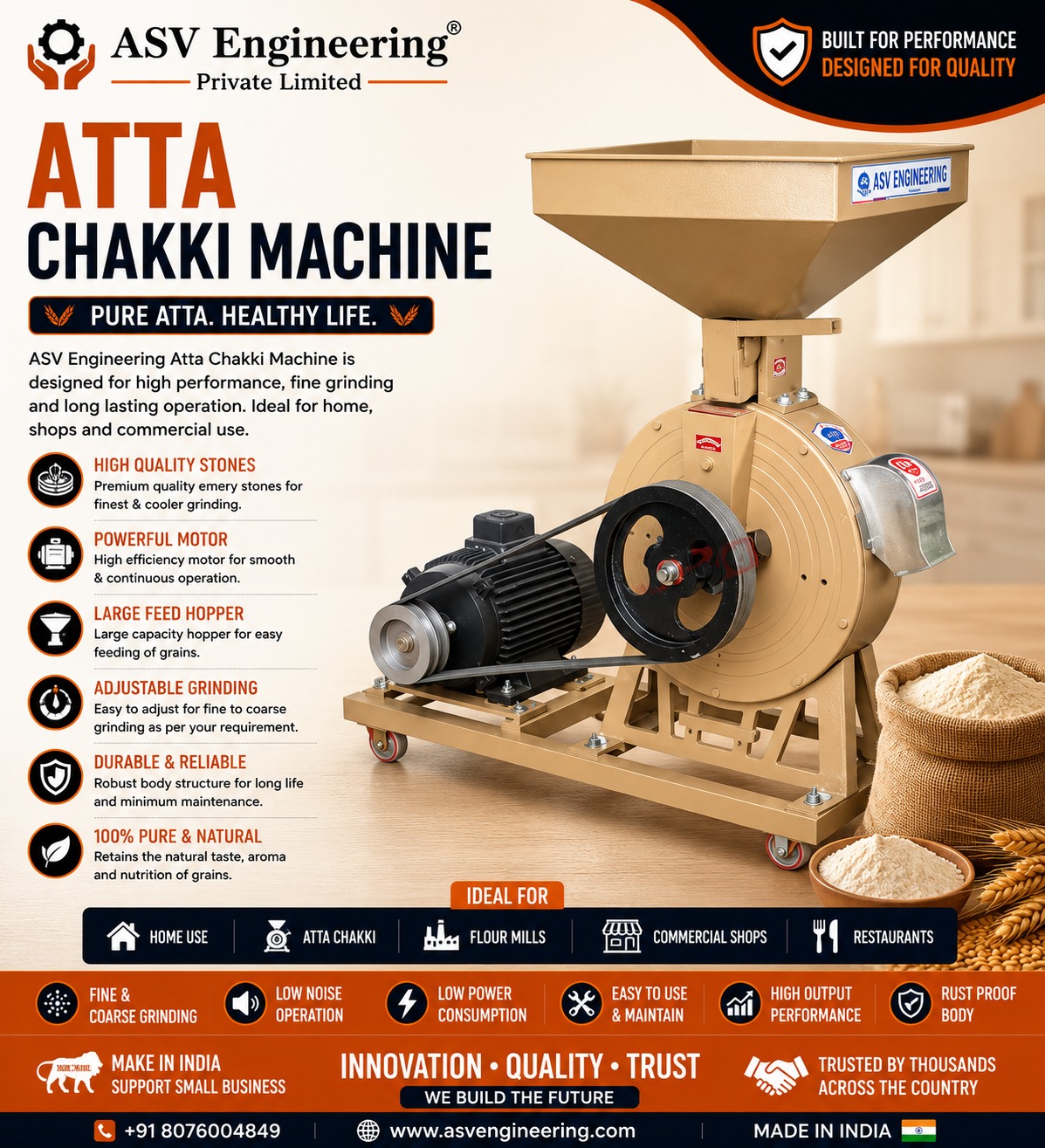
Atta Chakki Machine
Description
Searching for a premium atta chakki machine manufacturer in Delhi, India? Our commercial atta chakki machine, also known as a flour mill or grain grinding mill, is engineered to produce fresh, fine whole wheat flour from grain in a single pass. Trusted by flour mill operators, grocery store owners who run grinding services, and food processing businesses across India, this machine delivers consistent grinding performance, low power consumption, and minimal maintenance downtime.
Introduction and Overview
Freshly ground atta is a non-negotiable part of daily cooking in millions of Indian households. Families prefer visiting their local atta chakki rather than buying packaged flour because they trust the freshness and purity of grain they bring themselves. For the entrepreneur running a flour mill, the machine is the heart of the business. It needs to grind reliably for hours every day, handle a variety of grains, and produce flour at the fineness customers expect. Our atta chakki machine is designed precisely for this reality. It is built to be the dependable, high-output core of your flour mill operation, whether you are running a small neighborhood chakki or a larger commercial milling facility.
Key Features
The machine uses a set of precision-machined grinding plates or burrs made from hardened cast iron or corundum ceramic to crush grain between their surfaces. The gap between the plates is adjustable, allowing the operator to control flour fineness from coarse dalia texture to ultra-fine maida consistency. A powerful induction motor drives the grinding mechanism at speeds optimized for efficient size reduction without excessive heat generation that would damage the flour's nutritional profile and taste. The feed hopper accepts 10 kg to 25 kg of grain at a time depending on the model, and the ground flour exits through a chute into a collection bag or bin. A sieving system integrated into many models separates bran from flour automatically, giving you the option to produce pure white flour, whole wheat flour with bran, or separated bran as a by-product for sale. The machine runs quietly compared to older chakki designs, thanks to vibration-dampening mounts and precision-balanced rotating components.
How It Works
Grain is poured into the top hopper. A feed control valve regulates the flow of grain between the grinding plates. The rotating plate spins against the stationary plate, and grain entering the gap between them is progressively crushed and sheared into fine particles. Flour exits the grinding zone through the plate gap and falls into the collection area below. If a sieving mechanism is present, the flour passes through screens that separate fine flour from coarser bran particles. The operator monitors the flour fineness by adjusting the plate gap while the machine is running, achieving the exact texture required by the customer. The entire process from whole grain to fresh flour takes only seconds per batch.
Technical Specifications
Production Capacity: 20 kg to 200 kg per hour depending on model and grain type. Grinding Plate Diameter: 8 inches to 16 inches. Plate Material: Hardened cast iron or corundum ceramic. Fineness Adjustment: Infinitely variable plate gap, producing 40 mesh to 150 mesh output. Motor Power: 3 HP to 15 HP. Power Supply: 3-phase 440V, 50Hz. Hopper Capacity: 10 kg to 25 kg. Collection System: Bag clamp or bin under chute. Machine Weight: 100 kg to 400 kg. Dimensions: Compact models from 2x2x3 feet up to industrial units at 5x4x5 feet. Noise Level: Below 80 dB with vibration mounts installed.
Applications and Industries
This atta chakki machine is used by standalone flour mill operators who serve local communities, grocery store owners who offer grain grinding as a value-added service, food processing companies that produce packaged atta and other flours, bakery and biscuit manufacturers who need custom-milled flour, organic food businesses that grind specialty grains like ragi, jowar, bajra, and multigrain blends, and restaurants and hotels that prefer to mill their own flour for quality control. In states like Punjab, Haryana, Uttar Pradesh, and Rajasthan where wheat-based diets dominate, atta chakkis are among the most common small businesses, and our machines power hundreds of such operations.
Benefits
The most compelling benefit for mill operators is consistent flour quality that keeps customers coming back. A well-maintained machine produces flour with uniform particle size, which means better roti texture and baking performance for end users. The adjustable fineness lets you serve different customer preferences from a single machine. Energy efficiency is significant because modern motor designs and optimized grinding geometry reduce electricity consumption per kilogram of flour produced. The robust construction ensures the machine can handle eight to twelve hours of daily operation for many years with proper maintenance. Low noise and vibration levels make the working environment more pleasant for the operator.
Maintenance and Care
Inspect the grinding plates regularly for wear. Worn plates lose their sharp edges and produce uneven flour with higher power consumption. Replace plates when grinding performance noticeably degrades despite adjusting the gap. Clean the grinding chamber thoroughly when switching between different grain types to prevent cross-contamination. Brush or blow out residual flour from the sieving screens to maintain separation efficiency. Lubricate the main shaft bearings every 100 running hours. Check the drive belt for tension and wear monthly. Keep the hopper and feed chute clear of debris. The motor should be kept free of dust accumulation, and the electrical connections should be inspected periodically by a qualified electrician.
Frequently Asked Questions
What grains can this atta chakki machine grind? The machine handles wheat, rice, maize, millet, sorghum, ragi, bajra, gram, and most other dry grains. For spices and oilseeds, specialized configurations with different plate materials are recommended. Talk to our team about your specific grain requirements.
How much does an atta chakki machine cost in Delhi? Pricing depends on the grinding capacity, motor horsepower, plate material, and whether you need an integrated sieving system. Contact our Nangloi Delhi factory at +91 8588856870 for a price list and to discuss the best model for your operation.
How long do the grinding plates last? Plate life depends on the hardness and abrasiveness of the grain being ground. For regular wheat grinding, a set of quality cast iron plates typically lasts 6 to 12 months of daily operation before needing replacement. Corundum ceramic plates last significantly longer.
Is single-phase power sufficient for this machine? Smaller models up to 5 HP can run on single-phase 230V supply. Larger, higher-capacity models require 3-phase 440V. Confirm your available power supply when ordering so we provide the correct motor configuration.
Why Choose Our Delhi Factory and How to Order
We manufacture atta chakki machines at our well-equipped factory in Nangloi, Delhi, where precision plate machining, motor assembly, and final testing all happen under one roof. Our machines are trusted by flour mill operators in Delhi, Haryana, Punjab, Uttar Pradesh, Rajasthan, Madhya Pradesh, and several other states. We offer models across the capacity spectrum to match every scale of operation. Every machine comes with installation support, operator guidance, and ready availability of replacement grinding plates and other spare parts. To discuss your flour mill requirements or to schedule a factory visit, call +91 8588856870. Pan-India delivery and installation are standard. We are committed to helping you run a successful, efficient flour mill with a machine you can depend on year after year.
| Specification | Details |
|---|---|
| Machine Type | Atta Chakki Machine |
| Body Material | SS304 / MS |
| Power Supply | 220V/440V Three Phase |
| Warranty | 1 Year |
Related Products
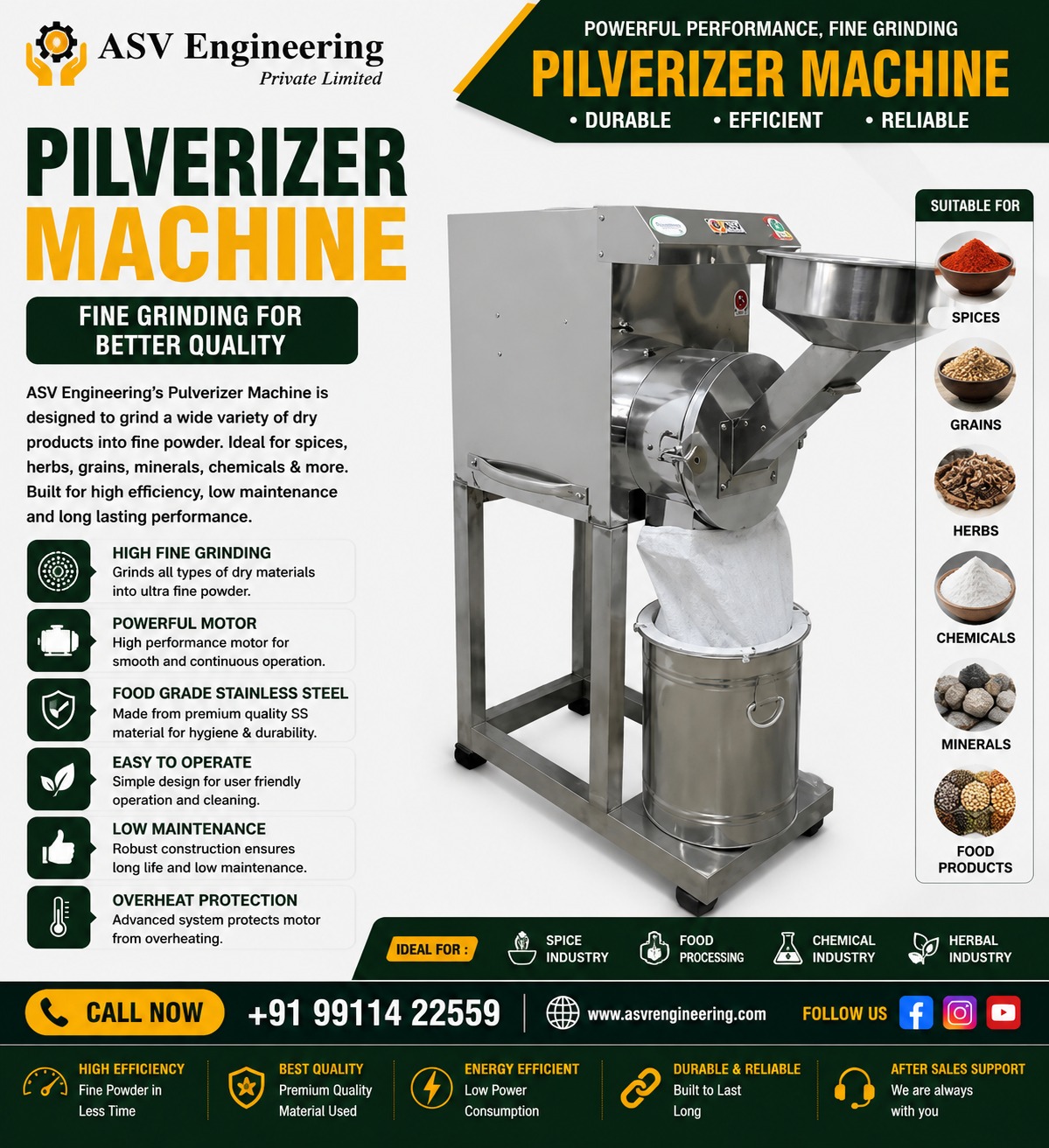
Pulverizer Machine
View Details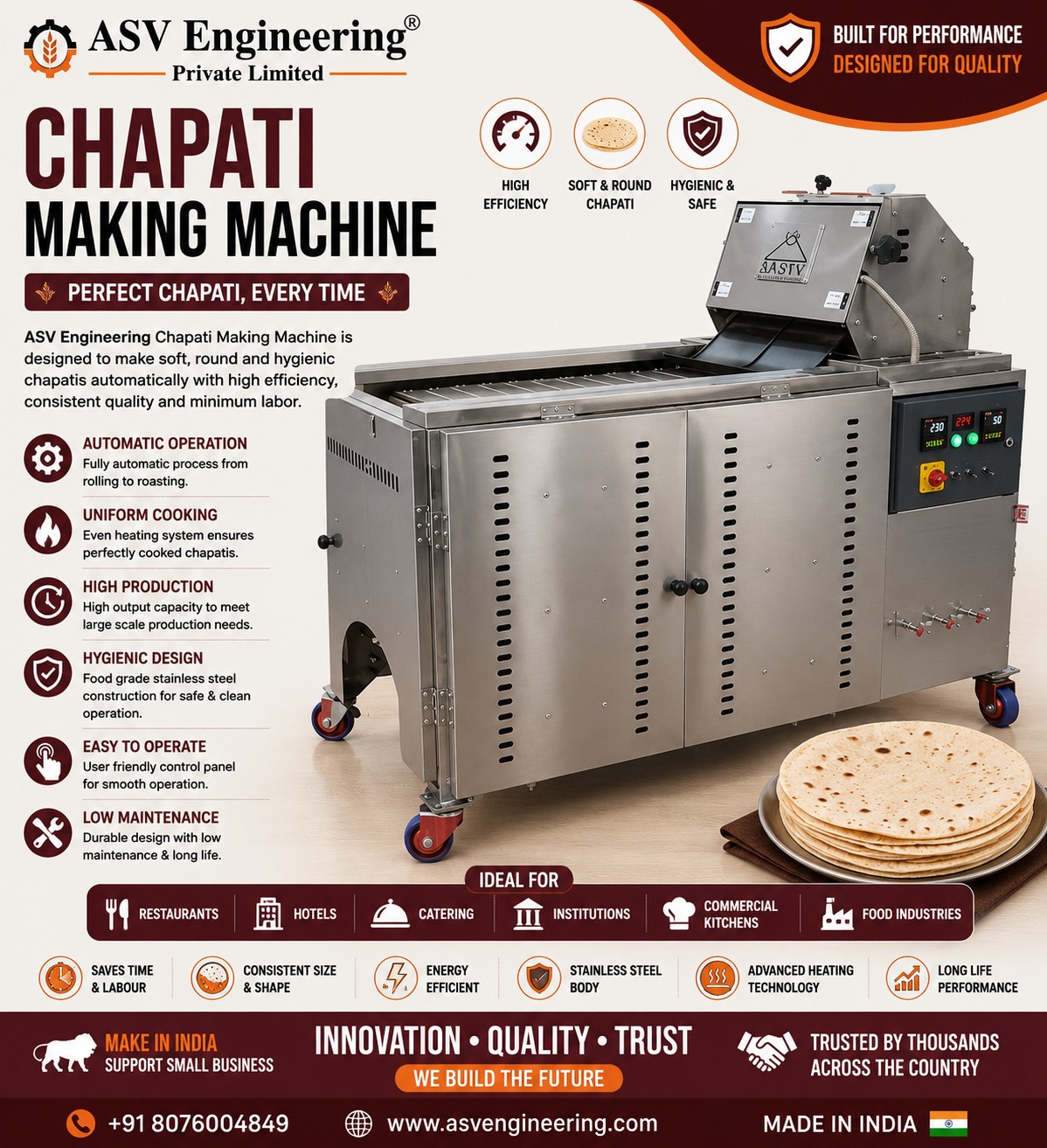
Chapati Making Machine
View Details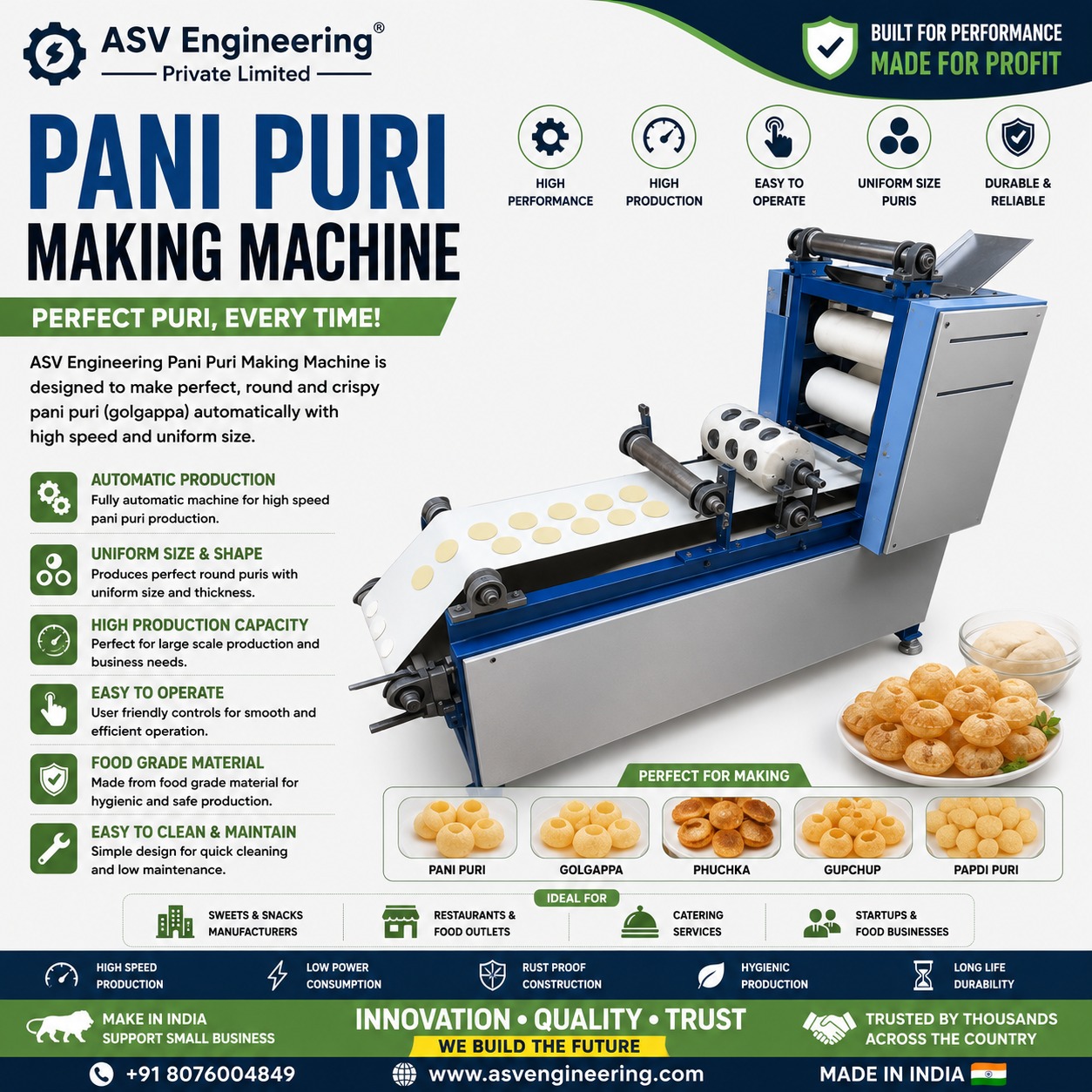
Pani Puri Making Machine
View Details