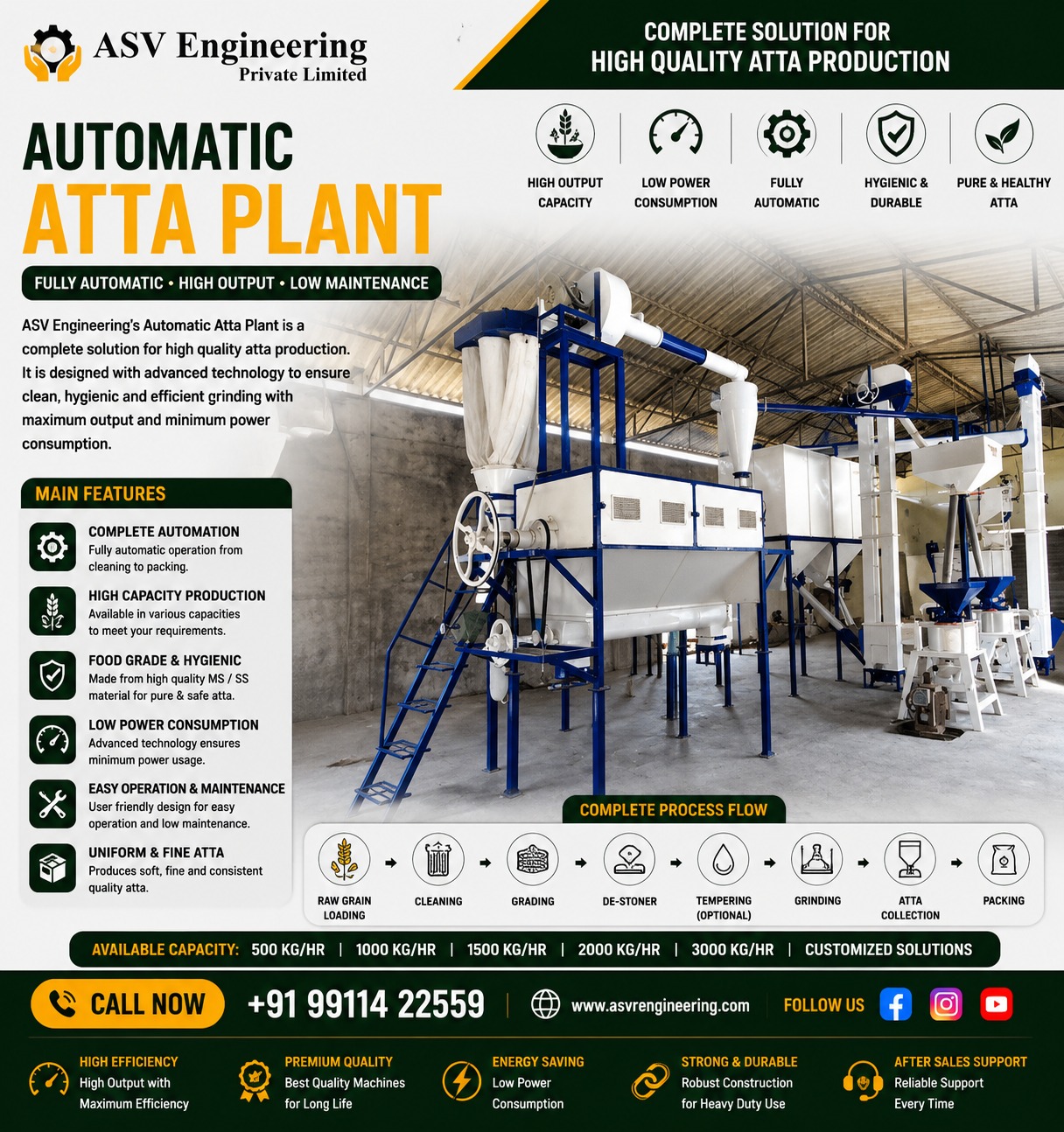
Automatic Atta Plant
Description
For food processing businesses looking for a dependable automatic atta plant manufacturer in Delhi, India, our factory offers end-to-end flour milling solutions that combine modern engineering with deep knowledge of Indian wheat processing requirements. An automatic atta plant is a significant investment, and our goal is to deliver a system that runs reliably for years, produces consistent flour quality, and scales with your growing business. From small commercial setups to large-scale flour mills, we engineer each plant to match the specific output and quality targets of our clients.
What Is an Automatic Atta Plant?
An automatic atta plant is an integrated flour milling system that handles the complete wheat-to-flour processing chain, including cleaning, washing, drying, grinding, sieving, and packaging. Unlike manual or semi-automatic milling setups that require workers at every stage, an automatic atta plant uses conveyor systems, sensors, and centralized controls to manage the entire workflow with minimal human intervention. This type of plant is essential for businesses that produce packaged atta for retail sale, supply atta to bakeries and food manufacturers, or operate as custom grinding mills serving local communities.
Key Features
Our automatic atta plant is built around a modular architecture, meaning you can start with a basic configuration and add modules as your production needs grow. The entire processing line uses food-grade stainless steel in all contact zones, with heavy-duty mild steel structural framing for durability. The cleaning section incorporates destoning, magnetic separation, and air aspiration to remove impurities from raw wheat before milling. The grinding chamber uses precision-aligned roller mills or stone mills depending on the atta variety you want to produce. An advanced aspiration and dust collection system keeps the working environment clean and reduces product loss. The electrical control panel features PLC-based automation with a touchscreen interface, giving operators real-time visibility into throughput, motor loads, and temperature readings.
How Does the Automatic Atta Plant Work?
Raw wheat is loaded into the intake hopper, which feeds the grain onto a vibrating cleaning screen. The cleaning line removes stones, metal fragments, dust, and lighter debris through a combination of screens, magnets, and air jets. Cleaned wheat then moves to a conditioning chamber where moisture is added in controlled amounts to soften the bran layer and improve milling efficiency. After a brief tempering period, the conditioned wheat enters the grinding section where roller mills progressively reduce the grain into fine flour. The ground material passes through a plansifter or rotary sieve that separates atta of the desired fineness from coarser particles, which are either re-ground or collected as bran. Finished atta flows to a storage bin and is then conveyed to an automatic packaging machine that fills and seals bags at preset weights. The entire process is monitored from the central control panel.
Technical Specifications
Capacity ranges from 50 kilograms per hour for small commercial setups to 500 kilograms per hour or more for industrial-scale operations. The plant occupies a floor area of approximately 150 to 600 square feet depending on the chosen capacity and configuration. Power requirement varies between 15 kilowatts and 75 kilowatts for the full line, supplied on three-phase 415-volt connections. Roller mill diameter is typically 250 mm to 300 mm with adjustable gap settings for controlling flour fineness. The plansifter uses woven mesh screens in sizes ranging from 60 mesh to 120 mesh. The dust collection system employs a cyclone separator with a bag filter achieving 99 percent particulate capture. Flour storage bins are available in 500 kg to 5000 kg capacities. The packaging machine handles bag weights from 1 kg to 50 kg with an accuracy of plus or minus two percent.
Applications and Industries
Automatic atta plants serve a wide range of customers in the Indian food supply chain. Flour milling companies that produce branded atta for supermarket retail are the primary users. Cooperative societies and agricultural processing centers set up these plants to add value to locally grown wheat. Bakeries and biscuit manufacturers require consistent, finely milled flour in large volumes, and an in-house atta plant gives them control over quality and supply. Hotels, large restaurants, and institutional kitchens that consume significant quantities of chapati flour benefit from grinding their own atta to ensure freshness and purity. Export-oriented flour producers also depend on fully automated plants to meet international quality and hygiene standards consistently.
Benefits of an Automatic Atta Plant
The most obvious benefit is the dramatic increase in output. A single automatic plant can replace dozens of manual grinding operations, enabling you to meet large-volume orders without delays. Flour quality becomes highly consistent because the grinding parameters are controlled by the PLC rather than varying with operator skill. Hygiene improves since the closed processing line minimizes human contact with the flour. Product wastage decreases because the precision sieving and re-grinding loop captures nearly all usable flour. Energy efficiency is another advantage, as modern motor drives and optimized process flow reduce power consumption per kilogram of flour produced. Finally, the automated packaging stage ensures your branded bags are filled accurately and sealed cleanly, which strengthens your product's shelf appeal.
Maintenance and Care
An automatic atta plant requires scheduled maintenance to sustain peak performance. Daily tasks include cleaning the intake screens, checking flour samples for fineness consistency, and emptying the dust collection bags. Weekly maintenance involves inspecting roller mill gaps and adjusting them if flour particle size drifts from specification. Lubricate all bearings, gears, and conveyor drive chains every two weeks with the recommended grease. The plansifter screens should be inspected monthly for tears or blockages and replaced when worn. The PLC control panel needs a software check every quarter, and electrical connections should be tightened and inspected for wear. Our Delhi factory provides a comprehensive maintenance schedule with every plant installation, and our service team is available for annual overhauls and emergency repairs across India.
Frequently Asked Questions
What is the price of an automatic atta plant in India?
The cost depends heavily on capacity, level of automation, and the number of processing stages included. A basic small-capacity plant suitable for a startup flour mill starts at a moderate investment level, while a fully automated industrial line with packaging can run significantly higher. Contact our sales team at +91 8588856870 with your capacity requirements and we will provide a detailed, customized quotation.
How much space do I need to install the plant?
Space requirements vary by capacity. A 50 kg per hour plant fits in roughly 150 square feet, while a 500 kg per hour industrial line may need 500 to 600 square feet including the packaging area. We provide a detailed layout drawing with every quotation so you can plan your facility in advance.
Is the plant suitable for organic atta production?
Yes. The food-grade stainless steel contact surfaces and closed processing line make the plant suitable for organic flour milling. You simply need to ensure that the wheat you feed into the system is certified organic and that cleaning protocols prevent cross-contamination with non-organic grain.
Do you provide installation and commissioning?
Absolutely. Our installation team travels to your site anywhere in India, assembles the plant, connects electrical and mechanical systems, runs test batches, and trains your operators. Commissioning typically takes three to seven days depending on plant size and site readiness.
Why Choose Our Delhi Factory and How to Order
We are a Delhi-based manufacturer with deep roots in the Indian flour milling equipment market. Our Nangloi factory houses CNC machining centers, welding bays, and assembly workshops where every automatic atta plant is built and tested before dispatch. We are not trading companies selling imported equipment under our label. We design, manufacture, and stand behind every machine we deliver. Our engineering team visits your site before installation to assess space, power, and infrastructure needs, ensuring the plant fits perfectly when it arrives. Pan-India delivery and installation are standard. To begin the conversation about your atta milling needs, call us at +91 8588856870. We will discuss your production goals, recommend the right configuration, and provide transparent pricing without hidden charges. Partner with a Delhi manufacturer that treats your success as our own.
| Specification | Details |
|---|---|
| Machine Type | Automatic Atta Plant |
| Body Material | SS304 / MS |
| Power Supply | 220V/440V Three Phase |
| Warranty | 1 Year |
Related Products
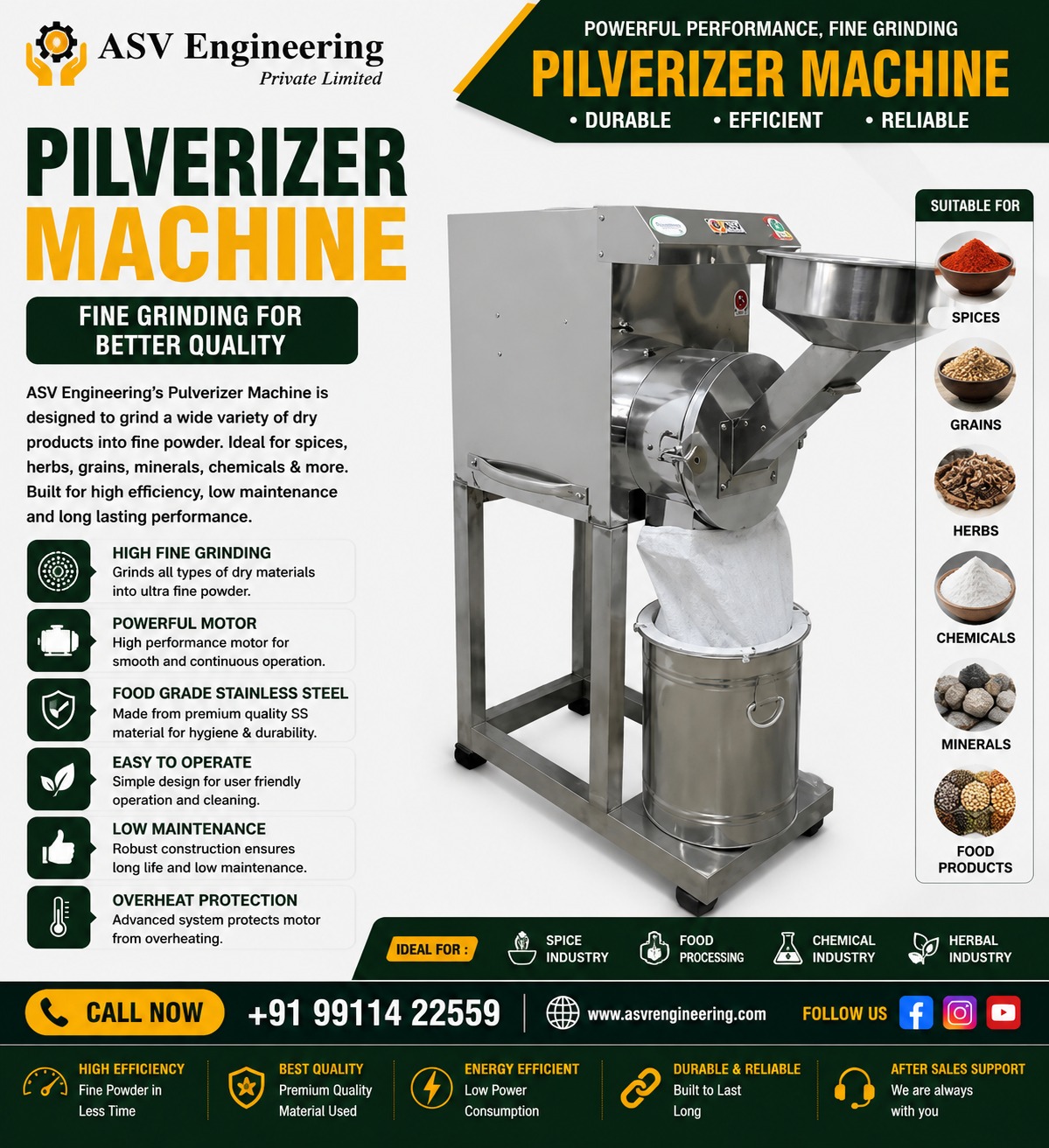
Pulverizer Machine
View Details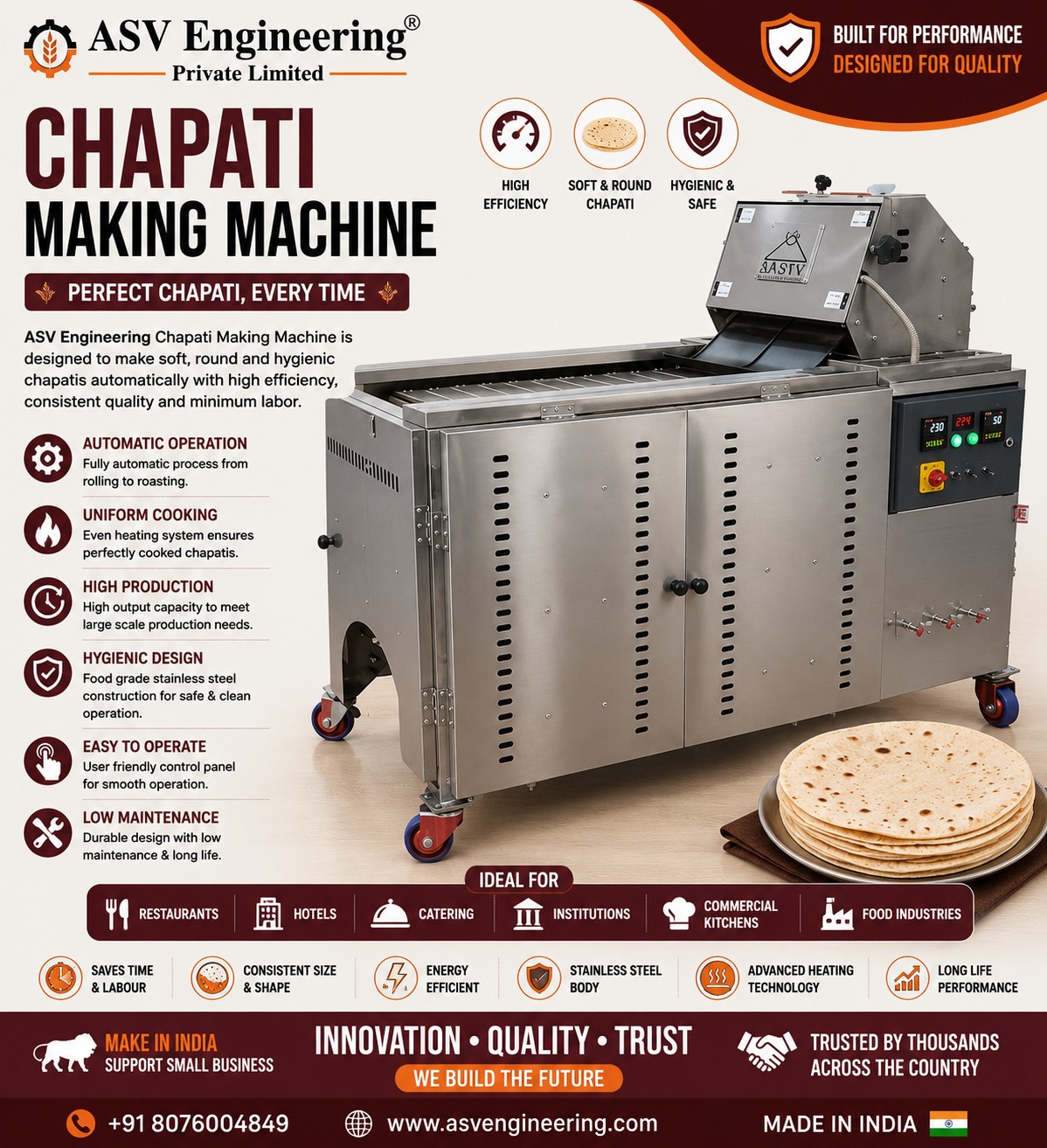
Chapati Making Machine
View Details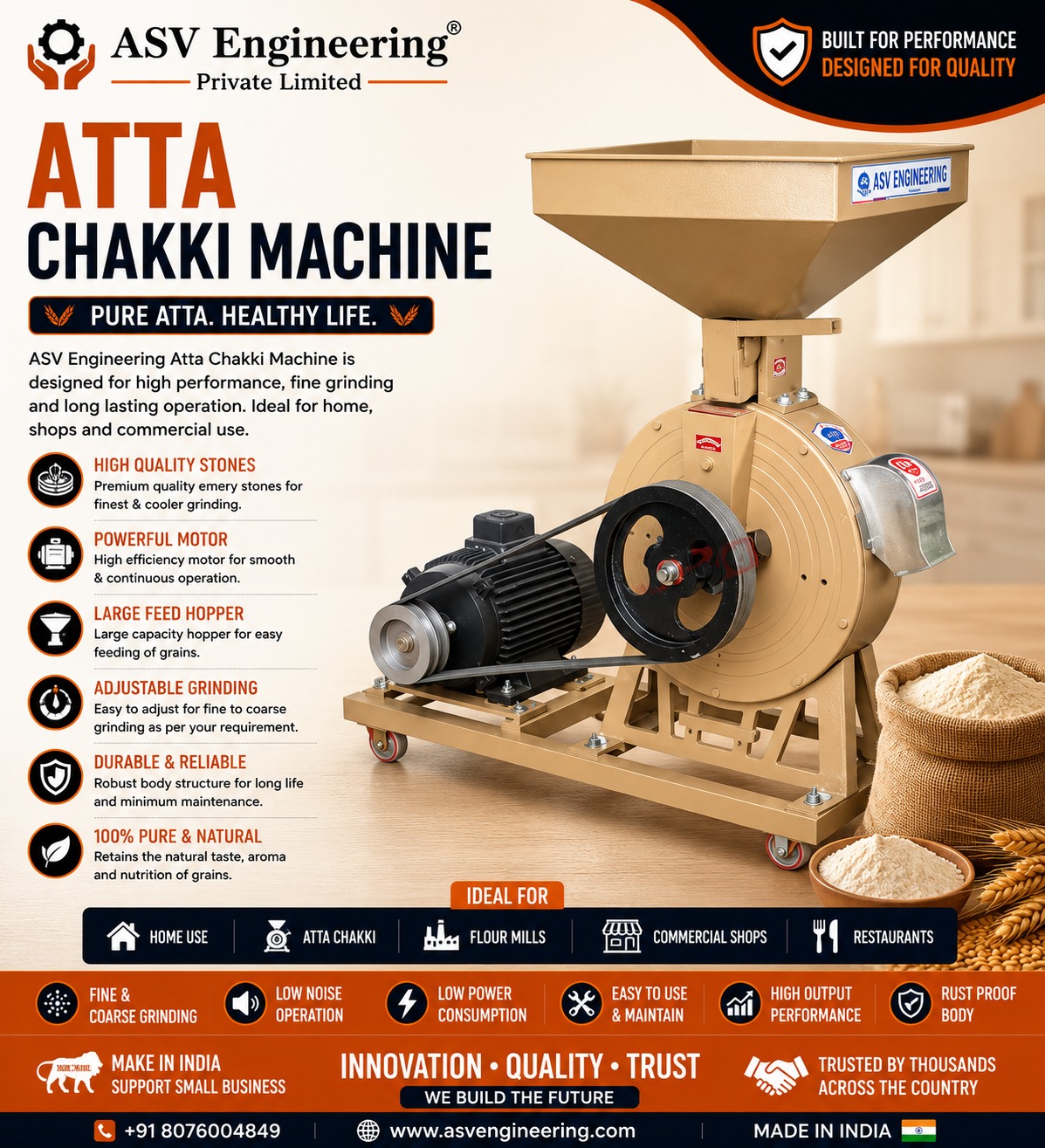
Atta Chakki Machine
View Details