Manual Brick Making Machine
Description
Manual Brick Making Machine – Experienced Manufacturer & Supplier in Delhi, India
Brick manufacturing remains one of the most fundamental construction material businesses in India, and a dependable manual brick making machine can transform a small investment into a steady income stream. As an established manual brick making machine manufacturer in Delhi, India, we produce hand-operated brick moulding presses that allow builders, contractors, and small-scale entrepreneurs to produce construction-quality bricks on-site or in small yards without the enormous capital required for fully automated plants.
What Is a Manual Brick Making Machine?
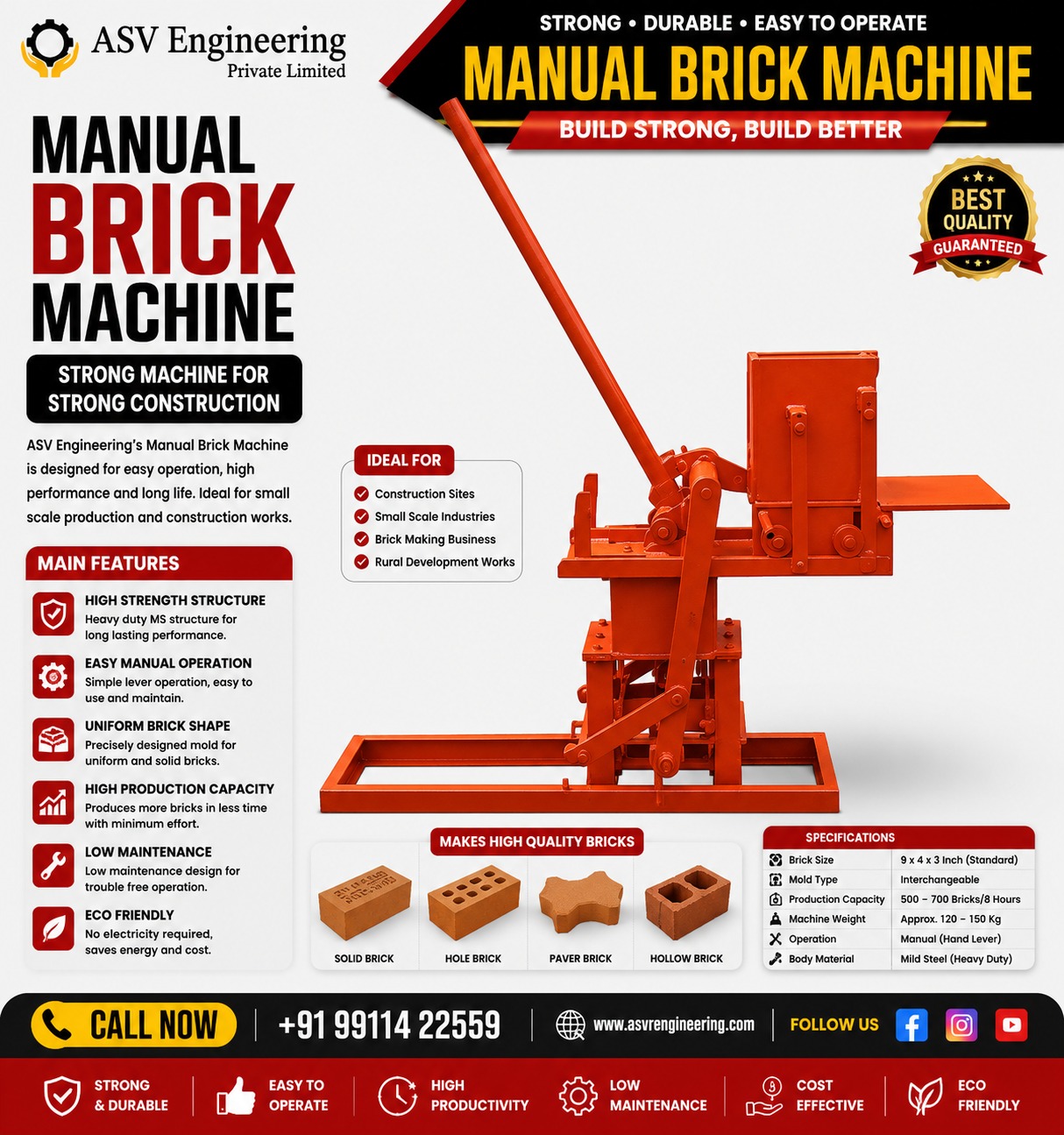
A manual brick making machine is a hand-operated hydraulic or lever-press device that compresses a measured quantity of cement, sand, fly ash, or clay mixture into a solid, uniform brick within a steel mould. Unlike large industrial brick plants that require conveyor systems and automated batching, this machine relies on human effort augmented by mechanical advantage to form each brick. The result is a brick that meets standard dimensions and density requirements suitable for walls, pathways, boundary walls, and various construction applications. It is the entry point for many entrepreneurs who want to start a brick-making business with limited capital.
Key Features
Our manual brick making machine features a heavy-gauge mild steel fabrication that is welded and stress-relieved to handle thousands of pressing cycles without fatigue cracks. The steel mould cavity is precision-machined to produce bricks with consistent length, width, and height, which matters when masons are laying bricks in courses and need uniform dimensions. The lever arm or hydraulic bottle jack provides mechanical advantage that multiplies the operator's effort, so even a single person can produce dense, well-compacted bricks.
The quick-release mould mechanism allows fast demoulding, which keeps the production rate up. The interchangeable mould inserts let you switch between standard size bricks, half bricks, and interlocking pavers using the same machine frame, giving you product flexibility without buying additional equipment. Rubber-padded feet keep the machine stable during operation and prevent it from sliding on smooth floors.
How Does It Work?
Mix your raw material — whether it is cement and sand for fly ash bricks, or clay for traditional red bricks — to the correct consistency with appropriate water content. Fill the mould cavity with the measured mixture using the supplied scoop or measuring box. Pull down the lever arm or pump the hydraulic jack handle to compress the mixture inside the mould. The pressure compacts the material and drives out trapped air, creating a dense and strong brick. Release the pressure, open the mould, and carefully remove the wet brick onto a curing tray or drying area. The entire cycle from filling to demoulding takes about one to two minutes per brick. Stack the formed bricks for curing and allow them to gain strength over seven to twenty-eight days depending on the material mix.
Technical Specifications
- Type: Manual lever press and manual hydraulic press variants
- Brick Size: Standard 230 mm by 115 mm by 75 mm (Indian standard), with half-brick and custom moulds available
- Mould Material: High-carbon steel, hardened and polished
- Press Force: 2 to 4 tonnes with hydraulic model, 1 to 2 tonnes with lever model
- Production Rate: 300 to 600 bricks per eight-hour shift per operator
- Frame: Heavy mild steel welded construction
- Machine Weight: 60 kg to 120 kg depending on model
- Raw Materials: Cement, sand, fly ash, stone dust, clay, or combination mixes
- Power Supply: No electricity required for manual models — fully hand-operated
- Mould Life: 50,000 to 100,000 bricks before replacement needed
- Dimensions: Compact, portable design, approximately 1.2 metre by 0.6 metre
Applications and Industries
Manual brick making machines are used by individual builders constructing houses in rural and semi-urban areas who want to produce their own bricks and save on procurement costs. Small-scale brick yard operators in Uttar Pradesh, Bihar, Rajasthan, and Haryana use multiple units to run production without investing in expensive automated plants. Municipal corporations and rural development programmes procure these machines for employment generation schemes where local villagers produce bricks for government construction projects. Construction contractors working on remote sites where transporting factory-made bricks is expensive choose to set up temporary brick production using our manual machines. Fly ash brick producers in areas near thermal power plants use these presses to convert industrial waste into valuable building material.
Benefits
The manual brick making machine offers several distinct advantages for entrepreneurs and builders. The zero electricity requirement eliminates power costs entirely and allows operation in remote areas without grid access. The low initial investment — typically a fraction of automated plant costs — makes it accessible to first-time business owners and small contractors. The machine is fully portable and can be transported to different construction sites as project locations change. Brick production using locally available raw materials eliminates transportation costs from distant factories. Operating and maintaining the machine requires no specialised technical training. For small to medium construction projects, the cost per brick produced on-site is significantly lower than purchasing bricks from external manufacturers and factoring in delivery charges.
Maintenance and Care
Clean the mould cavity thoroughly after each day of operation to prevent dried material from building up on the surfaces, which would cause bricks to stick or develop surface imperfections. Inspect the mould edges regularly for nicks or rounding that could affect brick dimensions. Lightly oil the mould surfaces before each production session to aid demoulding. Check all bolts and pivot points weekly and tighten anything that has loosened through repeated operation. Inspect the hydraulic jack on hydraulic models for any signs of oil leakage around the seals and replace seals as needed. Store the machine under cover when not in use to prevent rust on the steel surfaces. The mould is a wear part and will need replacement after extended use — keep a spare mould set on hand to avoid production downtime.
Frequently Asked Questions
How many bricks can one person make in a day using this machine?
A single operator can produce between 300 and 600 bricks in an eight-hour shift, depending on the specific model, the raw material mix, and the operator's pace. With two operators working together, production can increase further.
Do I need any electricity to operate this machine?
No, our manual brick making machines are completely hand-operated. The lever or hydraulic jack provides all the pressing force needed, so you can set up production anywhere without an electrical supply.
What raw materials can I use?
You can use cement and sand mixes, fly ash with lime and gypsum combinations, clay for traditional bricks, stone dust mixes, or any other suitable aggregate blend. The machine works with a wide variety of formulations.
What is the price of a manual brick making machine?
Our Delhi-manufactured models are priced competitively, starting from approximately fifteen thousand rupees for the basic lever model to higher amounts for hydraulic versions with additional mould sets. Contact +91 8588856870 for exact pricing.
Why Choose Our Delhi Factory and How to Order
Building a manual brick making machine requires attention to mould precision, frame strength, and pressing force calibration — details that separate a reliable machine from one that breaks down after a few thousand cycles. Our Nangloi, Delhi factory has refined these designs over years of production and feedback from brick manufacturers across India. We test every machine before dispatch and ensure the mould dimensions match Indian standard brick specifications.
We provide delivery across India with careful packaging to prevent transit damage, and we include a comprehensive user manual with recommended raw material mixes for different brick types. For bulk orders, custom mould sizes, or to visit our factory and see the machines in person, call us at +91 8588856870. Our team will help you select the right model for your construction needs and budget.
| Specification | Details |
|---|---|
| Machine Type | Manual Brick Making Machine |
| Body Material | SS304 / MS |
| Power Supply | 220V/440V Three Phase |
| Warranty | 1 Year |
Related Products
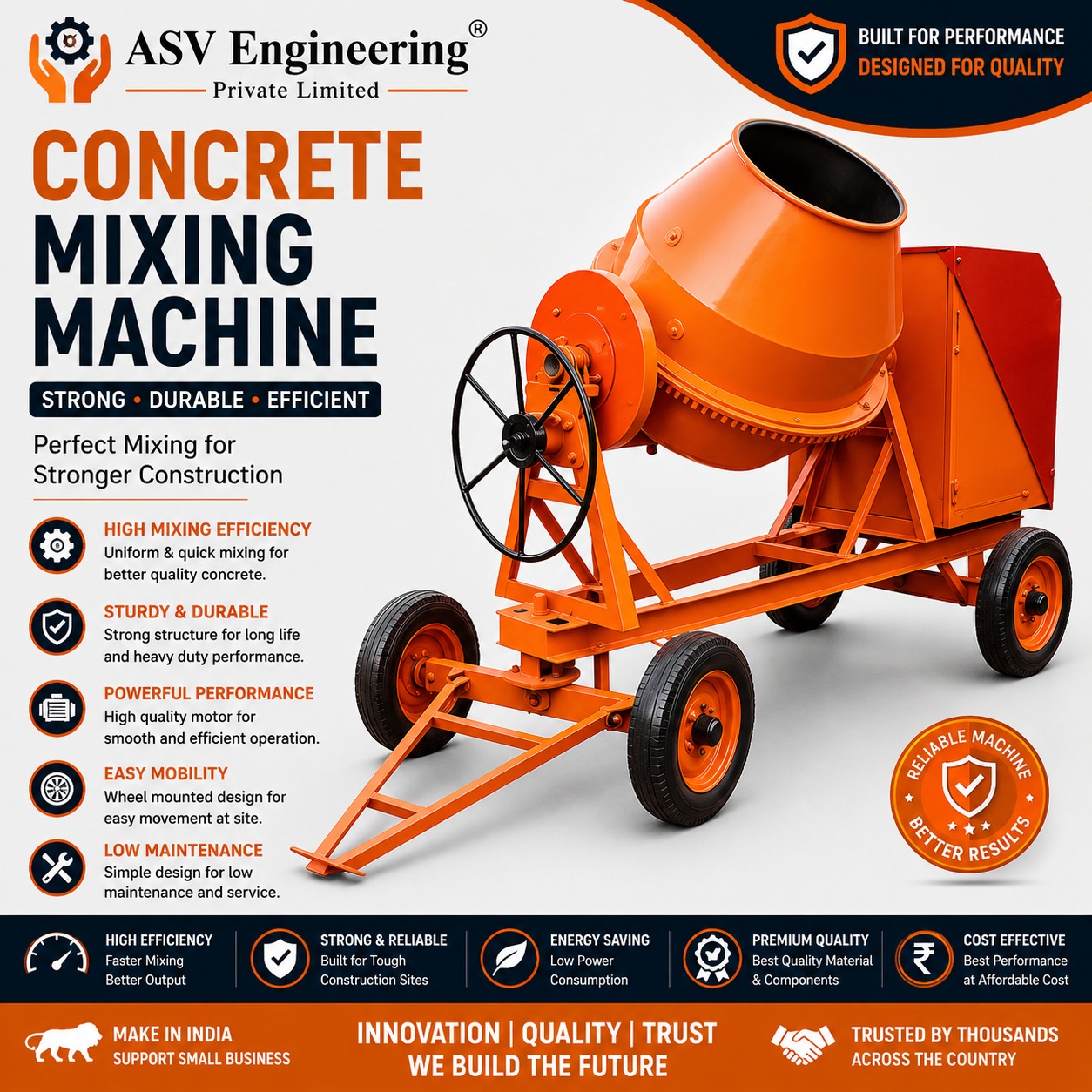
Concrete Mixing Machine
View Details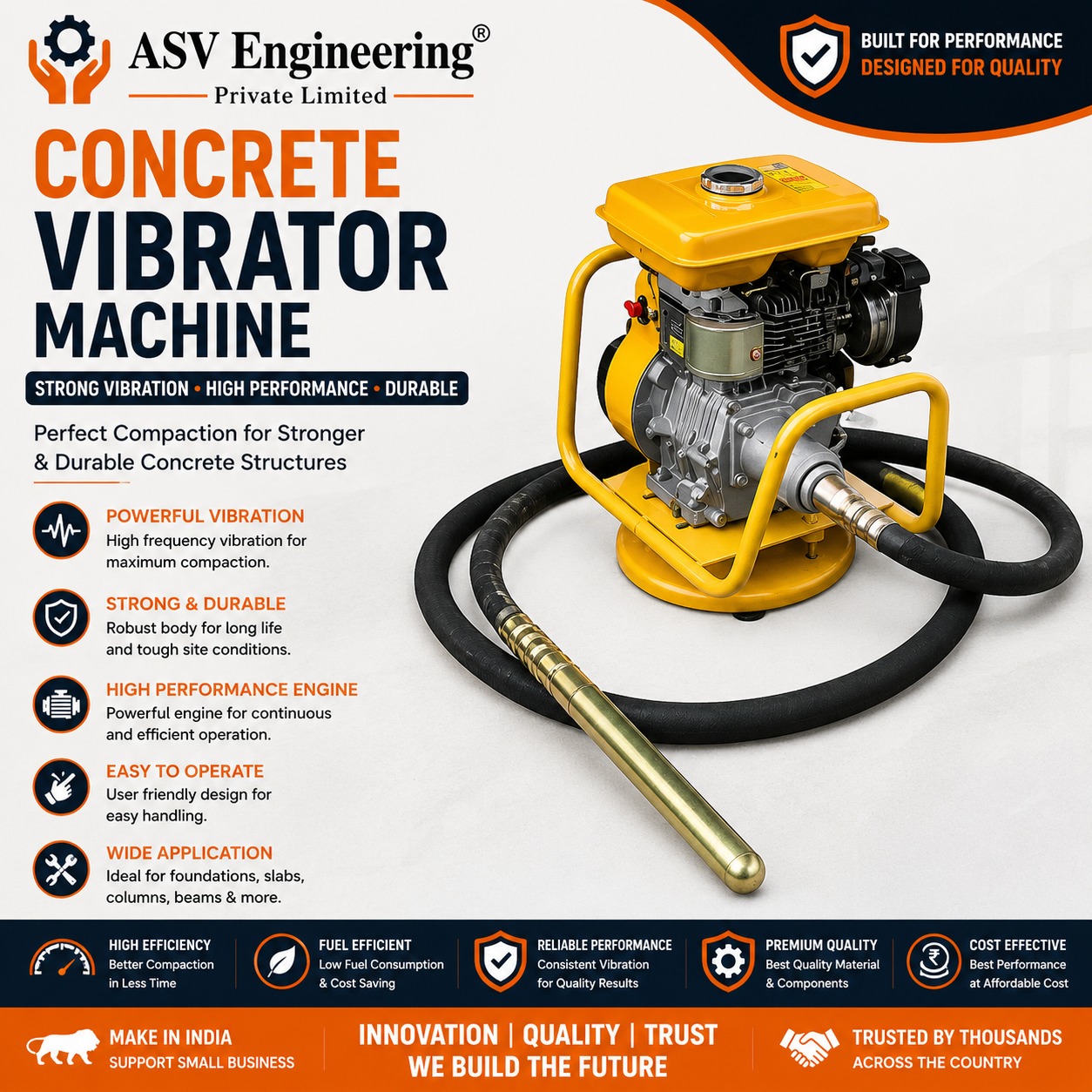
Concrete Vibrator Machine
View Details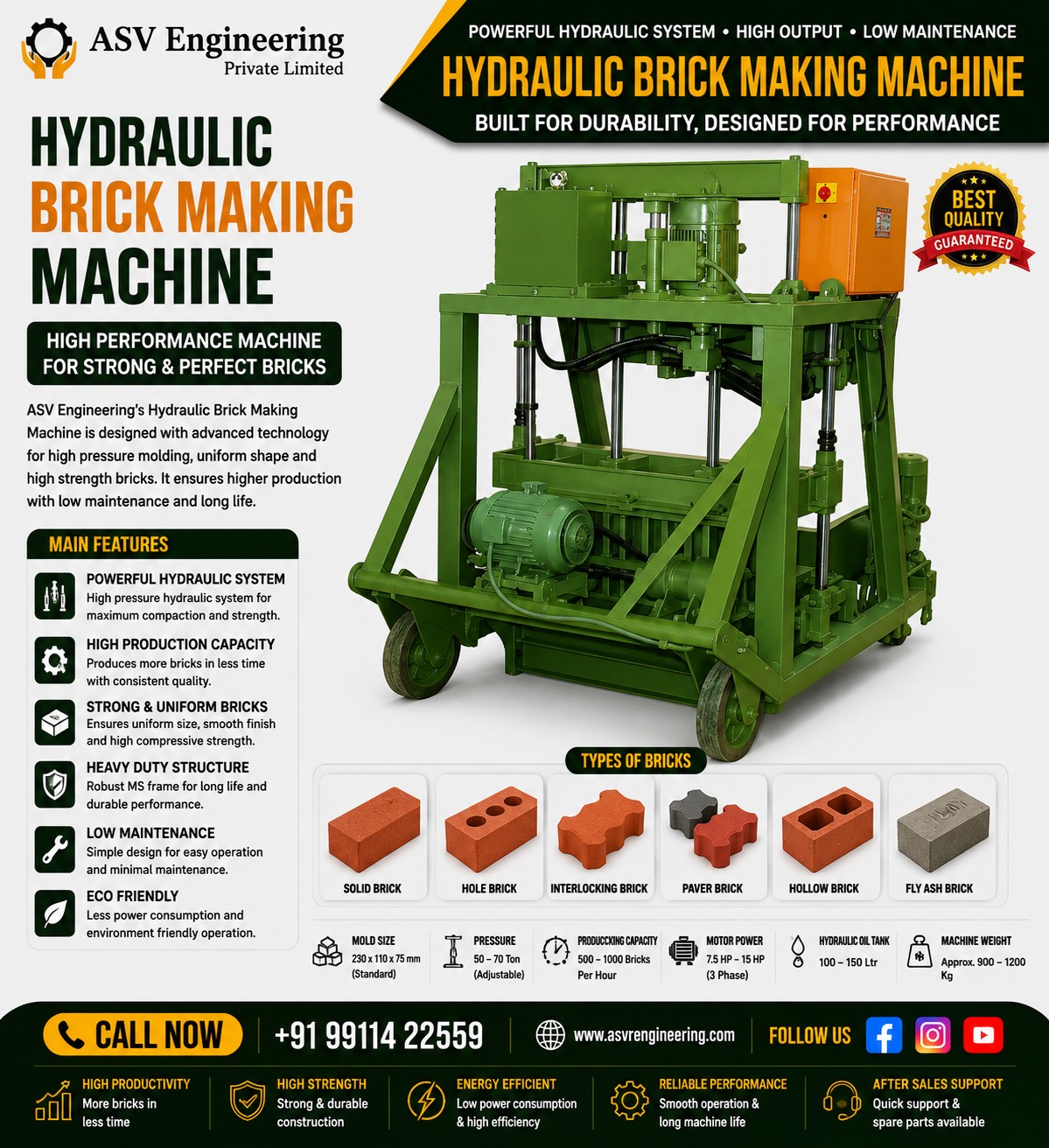
Hydraulic Brick Making Machine
View Details