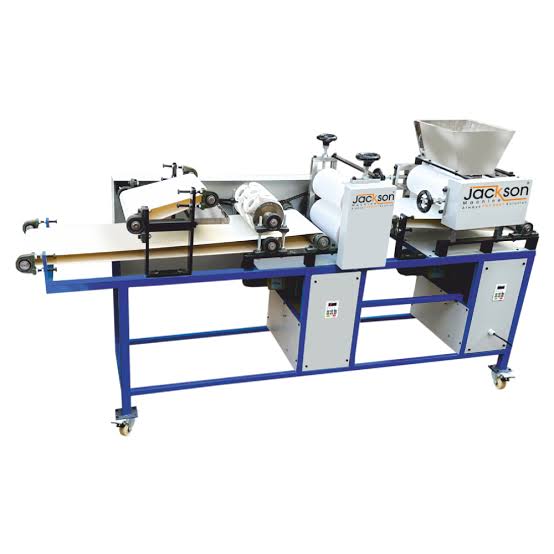
The Indian food service industry is experiencing a massive transformation with the adoption of automatic kitchen equipment. How Does a Chapati Making Machine Work? Complete Working Principle dives deep into the world of chapati making machines, offering expert advice, practical tips, and detailed comparisons to help you make the best choice.
Introduction to Chapati Making Machines
The adoption of automatic chapati making machines has grown significantly in recent years, driven by labor shortages, increasing food quality standards, and the need for operational efficiency. Hotels, restaurants, canteens, temples, hospitals, and army establishments are increasingly switching to automated chapati production.

Key Features and Benefits
Modern chapati making machines come with advanced features designed to maximize productivity and quality:
- PLC Control System: Touch screen interface with recipe management, data logging, and remote monitoring capabilities.
- SS304 Stainless Steel: Food-grade material ensures hygiene, durability, and compliance with FSSAI standards.
- Automatic Dough Weighing: Precision weighing system ensures every chapati has consistent weight, from 30g to 80g.
- Digital Temperature Control: Maintains optimal baking temperature for perfect golden-brown chapatis every time.
- Energy Efficient Design: Advanced insulation and efficient heating elements reduce power consumption by up to 30%.
- Auto Oil Spray: Optional ghee/oil spray system for applications requiring oiled chapatis.
- Safety Features: Emergency stop, overheat protection, and automatic shutdown ensure safe operation.

Technical Specifications
| Specification | Details |
|---|---|
| Machine Body | SS304 Stainless Steel (Food Grade) |
| Control System | PLC Based with HMI Touch Screen |
| Production Capacity | 200 to 6000+ Chapatis Per Hour |
| Chapati Weight | 30g to 80g (Adjustable) |
| Chapati Diameter | 6 to 12 Inches (Adjustable) |
| Power Supply | 220V/440V Three Phase |
| Power Consumption | 1 KW to 18 KW (Model Dependent) |
| Fuel Type | Electric / LPG / PNG / Diesel |
| Manpower Required | 1-2 Operators |
| Warranty | 3 to 5 Years Comprehensive |
| Certification | ISO 9001:2015, CE Certified |
Frequently Asked Questions
How much electricity does a chapati machine consume?
Power consumption varies by model from 1 KW for small machines to 18 KW for industrial units. On average, a commercial machine producing 1000 chapatis/hr consumes about 5-7 KW, costing approximately ₹50-70 per hour of operation.
What material is used in chapati machine construction?
Premium chapati machines are made from SS304 food-grade stainless steel. This material is rust-proof, corrosion-resistant, easy to clean, and compliant with food safety regulations. Avoid machines with mild steel or lower-grade stainless steel.
How much maintenance does a chapati machine require?
Regular daily cleaning and weekly lubrication are required. With proper maintenance, these machines can last 10-15 years. Annual maintenance contracts (AMC) are available from manufacturers for comprehensive servicing.
Can I get a customized chapati making machine?
Yes, most manufacturers offer customization options including specific capacity requirements, special features, branding, and unique configurations for specific applications.
What is the warranty on chapati making machines?
Standard warranty ranges from 3 to 5 years, covering manufacturing defects, parts replacement, and labor. Extended warranty options are also available.
We hope this comprehensive guide on How Does a Chapati Making Machine Work? Complete Working Principle has provided you with valuable insights. Whether you are looking to automate your existing kitchen or start a new chapati manufacturing business, choosing the right machine is crucial for success. Contact us today for personalized advice and the best prices on premium chapati making machines.
Call us at +91-9876543210 or WhatsApp for best price and free consultation.