Are you looking for the best solution to automate your commercial kitchen? Common Chapati Machine Problems and Their Solutions is a comprehensive guide that will help you make an informed decision. In this article, we will cover everything you need to know about chapati making machines, their features, benefits, pricing, and how they can transform your food business.
Introduction to Chapati Making Machines
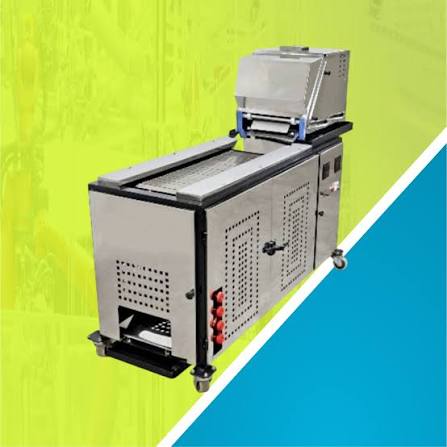
A chapati making machine, also known as an automatic roti maker, is a commercial kitchen equipment designed to automate the entire process of making chapatis. From dough ball formation to pressing, rolling, and baking, these machines handle everything automatically, producing consistent, high-quality chapatis at a fraction of the time and labor required for manual preparation.

Chapati Making Machine Maintenance Guide
Regular maintenance ensures your chapati machine runs efficiently for years. Here is a maintenance schedule:
Daily Maintenance
- Clean all food contact surfaces with food-safe sanitizer
- Remove dough residue from rollers and pressing plates
- Wipe down the exterior with a damp cloth
- Check oil levels in hydraulic systems (if applicable)
Weekly Maintenance
- Deep clean the dough hopper and feeder mechanism
- Lubricate moving parts with food-grade grease
- Check belt tension and alignment
- Inspect electrical connections and wiring
Monthly Maintenance
- Replace worn-out scraper blades and gaskets
- Calibrate temperature sensors
- Check and tighten all bolts and fasteners
- Test safety features and emergency stops
Annual maintenance contracts (AMC) are available from most manufacturers, covering regular servicing and priority repairs.

Technical Specifications
| Specification | Details |
|---|---|
| Machine Body | SS304 Stainless Steel (Food Grade) |
| Control System | PLC Based with HMI Touch Screen |
| Production Capacity | 200 to 6000+ Chapatis Per Hour |
| Chapati Weight | 30g to 80g (Adjustable) |
| Chapati Diameter | 6 to 12 Inches (Adjustable) |
| Power Supply | 220V/440V Three Phase |
| Power Consumption | 1 KW to 18 KW (Model Dependent) |
| Fuel Type | Electric / LPG / PNG / Diesel |
| Manpower Required | 1-2 Operators |
| Warranty | 3 to 5 Years Comprehensive |
| Certification | ISO 9001:2015, CE Certified |
Frequently Asked Questions
What material is used in chapati machine construction?
Premium chapati machines are made from SS304 food-grade stainless steel. This material is rust-proof, corrosion-resistant, easy to clean, and compliant with food safety regulations. Avoid machines with mild steel or lower-grade stainless steel.
How much maintenance does a chapati machine require?
Regular daily cleaning and weekly lubrication are required. With proper maintenance, these machines can last 10-15 years. Annual maintenance contracts (AMC) are available from manufacturers for comprehensive servicing.
Can I get a customized chapati making machine?
Yes, most manufacturers offer customization options including specific capacity requirements, special features, branding, and unique configurations for specific applications.
What is the warranty on chapati making machines?
Standard warranty ranges from 3 to 5 years, covering manufacturing defects, parts replacement, and labor. Extended warranty options are also available.
How much profit can I make with a chapati making machine business?
With a 1000 chapatis/hr machine, you can generate net profits of ₹4,000-8,000 per day, translating to ₹1.2-2.4 Lakhs per month. ROI is typically achieved within 6-12 months.
Investing in the right chapati making machine can transform your food business operations. We encourage you to evaluate your requirements carefully and choose a machine that aligns with your business goals. Our team of experts is always available to help you make the right decision. Get in touch with us for a free consultation and quote.
Call us at +91-9876543210 or WhatsApp for best price and free consultation.